Greece Travel: The Ultimate Guide to Planning Your Trip
The biggest secret to great greece travel is simple: don’t try to see everything! Greece packs whitewashed island villages, ancient ruins, dramatic mountains, delicious food, and some of the friendliest locals in Europe into one incredible country. The trick is choosing the right mix of destinations, timing your trip well, and giving yourself room to slow down and enjoy it.
This guide is your one-stop resource for greece travel. Whether you’re dreaming of Santorini sunsets, quiet Cycladic villages, or ancient sites on the mainland, you’ll find everything you need to plan a trip you’ll love. We’ll cover where to go, when to go, how long to stay, how to get around, what it costs, and easy sample itineraries to bring it all together!
Table of Contents
Greece Travel at a Glance
Greece travel comes down to two big worlds: the mainland and the islands. The mainland is home to Athens, ancient wonders, and mountain landscapes, while the islands deliver those iconic beaches and blue-and-white villages.

Here’s a quick snapshot for first-time visitors:
- Language: Greek is official, but English is widely spoken in tourist areas.
- Currency: The Euro.
- Payments: Greece is very card-friendly, especially in cities and on popular islands. Carry some cash for small villages and remote spots.
- Power plugs: European Type C and F, 230V.
- Safety: Greece is generally very safe. Use normal precautions against pickpocketing in big cities, and take care near cliffs and viewpoints.
- Best regions: The Cyclades, the Ionian Islands, Crete, and mainland highlights like Athens, Delphi, and Meteora.
Keep this at hand as you build the rest of your greece travel plans!
Planning Your First Trip to Greece
The easiest way to plan greece travel is to move through a few clear decisions in order. Start broad, then get specific.
Here’s a simple framework:
- Choose your season. This shapes crowds, prices, and what’s open.
- Decide your trip length. More time means more destinations — within reason.
- Balance mainland and islands. Pick a mix that matches your interests.
- Select your destinations. Choose a few, not a dozen.
- Plan your transportation. Factor in ferry and flight times.
- Book accommodation early. Especially in summer and on popular islands.
- Set a realistic budget. Match your spending to your travel style.
- Leave some flexibility. Weather and ferries can shift your plans.
Work through these steps and the rest of your trip to Greece falls into place naturally!
Where to Go in Greece
There’s no single “best” destination — the right choice depends on what you want from your greece vacation. Here’s a quick overview of the major spots to help you narrow things down.
Mainland favorites:
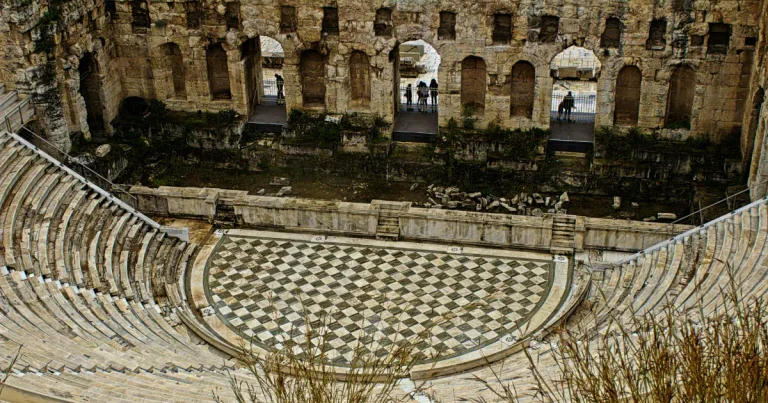
- Athens: The energetic capital, home to the Acropolis and Parthenon. It’s the perfect launchpad before hopping to the islands.
- Thessaloniki: Greece’s second city and its culinary capital, packed with great food and vibrant street life.
- Meteora: Famous monasteries perched dramatically atop towering rock pillars.
- Delphi: Ancient ruins in a stunning mountainside setting.
- The Peloponnese: Ancient sites, seaside towns, and rugged landscapes, ideal for road trips.
Island favorites:
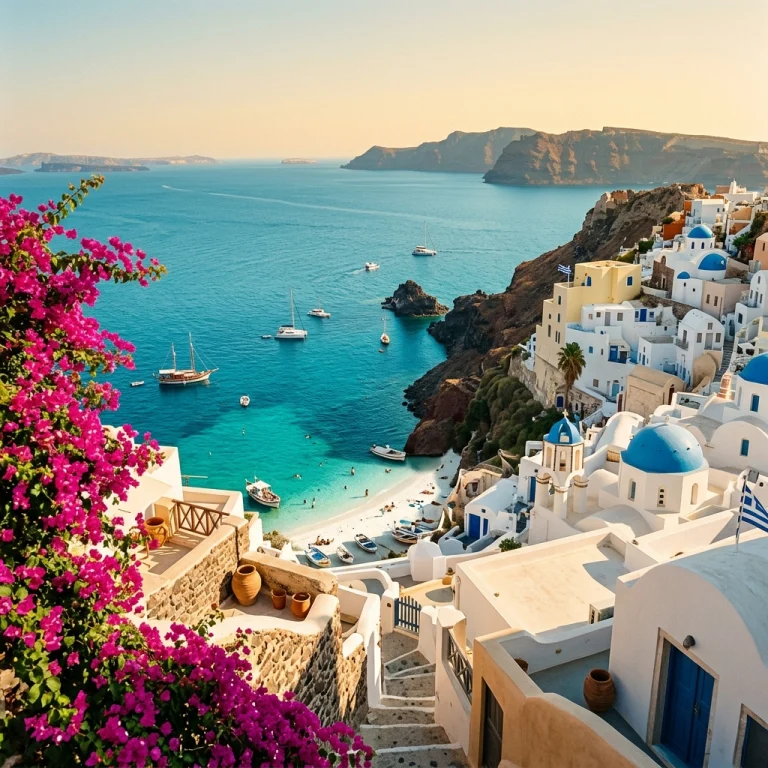
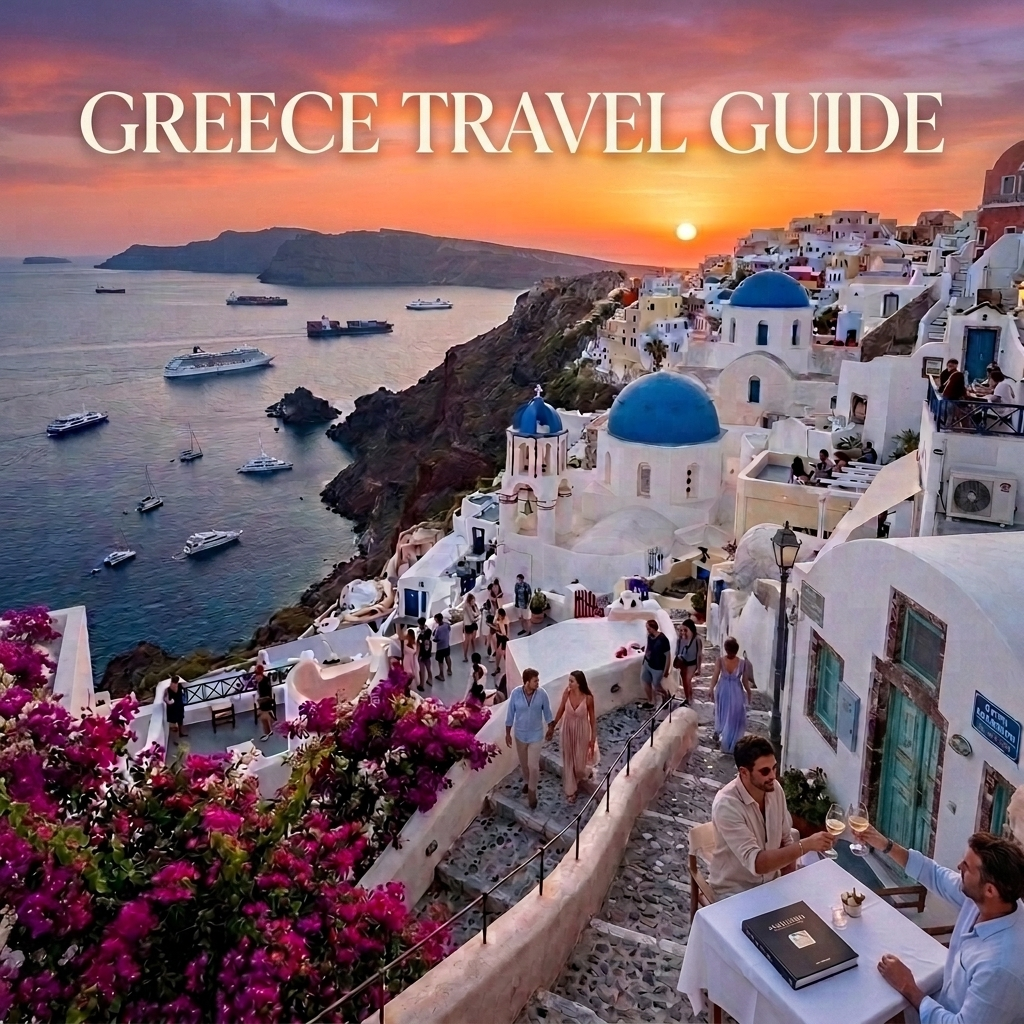
- Santorini: Iconic caldera views, blue-domed churches, and unforgettable sunsets.
- Mykonos: Whitewashed old town, beautiful beaches, and lively nightlife.
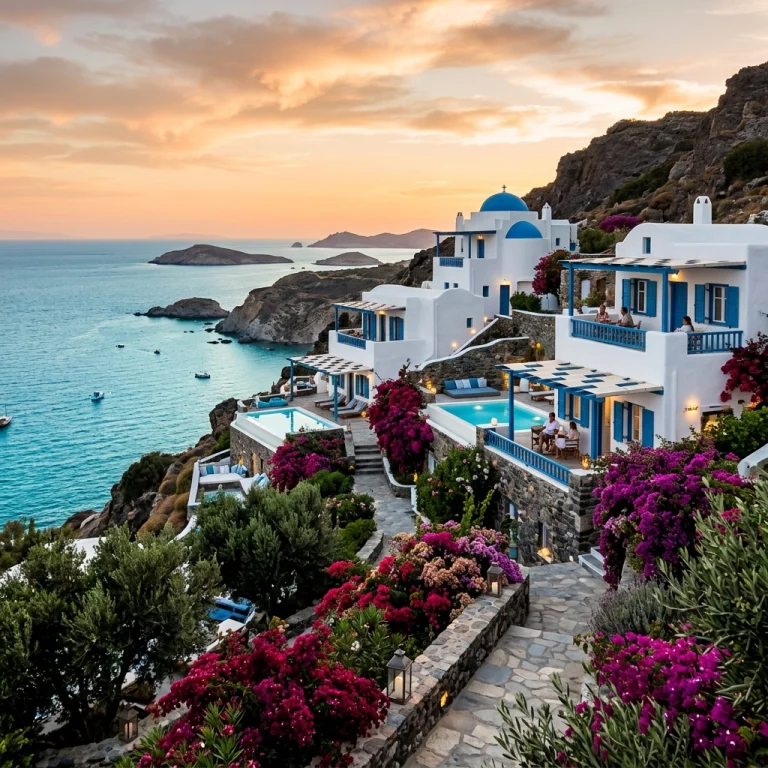
- Naxos and Paros: Beautiful, well-rounded Cycladic islands with great beaches and villages.
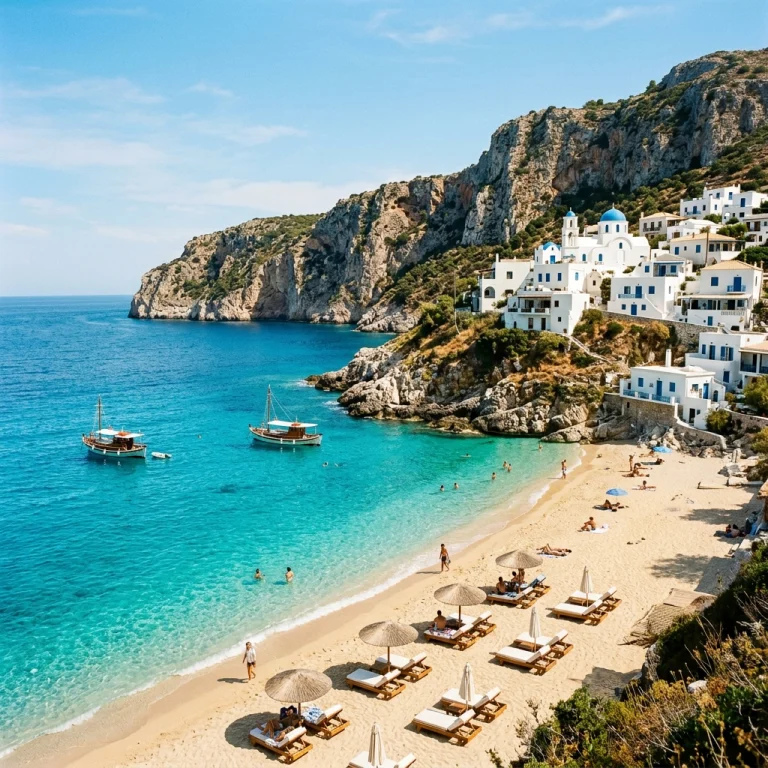
- Milos: Dramatic coastline and some of the most striking beaches in the Cyclades.
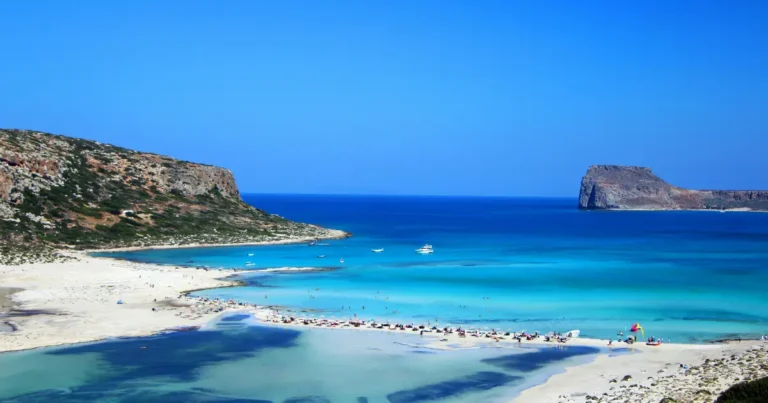
- The Ionian Islands (Corfu, Zakynthos, Kefalonia, Lefkada): Home to some of the best beaches in Greece, with lush green scenery.
- Crete: The largest island, offering incredible food, beaches, mountains, and history all in one place.
For deeper dives, look for individual destination guides on Athens, Crete, Santorini, Naxos, Milos, and more to fine-tune your greece travel plans!
Mainland Greece vs. Greek Islands
One of the biggest decisions in greece travel is how to split your time between the mainland and the islands. Both are wonderful, but they suit different trips.
Choose mainland Greece if you:
- Love ancient history and archaeological sites
- Enjoy cities, food scenes, and cultural experiences
- Want mountain scenery and hiking
- Prefer road trips and easy driving between destinations
Choose the Greek islands if you:
- Dream of beaches, swimming, and boat trips
- Want those classic whitewashed villages
- Enjoy island hopping and a slower, sun-soaked pace
- Are traveling in summer, when island life is at its peak
For most first-time visitors, the best trip to Greece combines a few days in Athens with one or two islands. That balance gives you history, culture, and beach time without overpacking your schedule!
Best Time for Greece Travel
The best time for greece travel is during the shoulder seasons — roughly April to early June, and September. You’ll get warm, pleasant weather with far smaller crowds and better prices!
Here’s how the seasons break down:
Spring (April–June)
Warm days, blooming landscapes, and thinner crowds make spring ideal for sightseeing, hiking, and exploring the mainland. It’s also the start of island season. Just plan around the busy Easter weekend, when Greeks travel and hotels book up fast.
Summer (July–August)
This is peak season, with hot weather, buzzing beaches, and the liveliest island hopping and nightlife. It’s also the busiest and most expensive time — August especially, when much of Europe descends on the islands. Book everything well in advance.
Autumn (September–October)
Autumn is a favorite for greece travel. The sea is still warm from summer, crowds thin out, and prices drop, making it wonderful for beaches, food, and relaxed island time.
Winter (November–March)
Winter is off-season for the islands, where many restaurants close and ferries run less often. It’s the best time for Athens, Thessaloniki, museums, and mainland travel — and it’s the quietest time to visit Santorini if you catch good weather.
Understanding high, shoulder, and low seasons makes every other part of your greece vacation planning easier!
How Many Days Do You Need in Greece?
There’s no rigid rule, but more days means more destinations — as long as you leave time for travel between them. Here’s a helpful guide for planning your trip to Greece.
- 3–4 days: Focus on Athens and a nearby day trip or a quick Saronic island.
- 5–7 days: Combine Athens with one island or one mainland region.
- 8–10 days: Enjoy a balanced mainland-and-island mix, or a couple of Cycladic islands.
- 10–14 days: Add more destinations, such as Athens plus two or three islands.
- 2+ weeks: Explore multiple regions or go deeper into one, like Crete or the Ionian Islands.
Remember that ferry and flight times eat into your days. The fewer places you cram in, the more you’ll actually enjoy your greece travel!
How to Get to Greece
Most greece travel begins in Athens, whose international airport is the country’s main gateway. Thessaloniki also receives many international flights and works well if you’re focusing on northern Greece.
During summer, some popular islands like Santorini, Mykonos, Crete, Corfu, and Rhodes receive seasonal international and regional flights, which can save you a stop in Athens. Otherwise, you’ll typically arrive in Athens and continue by domestic flight or ferry.
How to Get Around Greece
Greece travel offers plenty of transportation options, and the right choice depends on where you’re going.
- Domestic flights: Fast and convenient for reaching distant islands like Crete, Rhodes, or Santorini, or for saving time on longer routes.
- Ferries: The heart of island hopping and often part of the fun (more on these below).
- Rental cars: Ideal for the mainland, the Peloponnese, and exploring larger islands at your own pace.
- Buses: Affordable and reliable for mainland routes and getting around within islands.
- Trains: Useful for select mainland routes, though the network is limited.
- Taxis: Handy for short trips, airport transfers, and getting around towns.
For the mainland, a rental car unlocks the most freedom. For the islands, ferries and flights will be your main way to move around during your trip to Greece.
Understanding Greek Ferries and Island Hopping
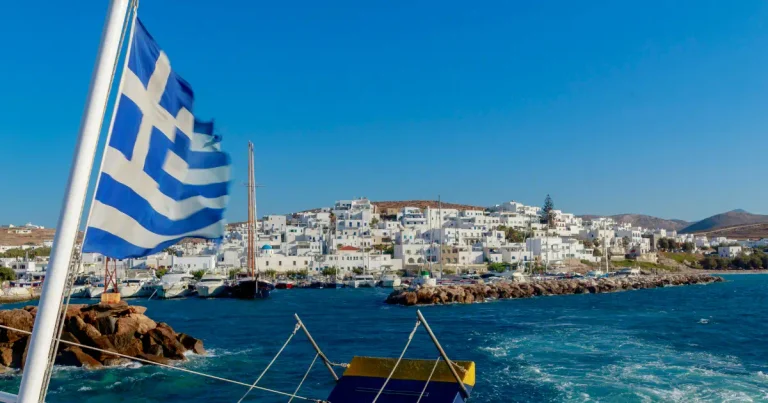
Ferries are essential to greece travel, connecting the mainland to the islands and the islands to each other. Getting comfortable with how they work makes island hopping easy and enjoyable!
Here’s what to know:
- Fast vs. conventional ferries: Fast ferries save time but cost more and can be more sensitive to rough seas. Conventional ferries are slower, more affordable, and often steadier.
- How island hopping works: Islands within the same group (like the Cyclades) tend to be well connected, making it easier to string a few together.
- Build in flexibility: Weather can delay or cancel ferries, so avoid tight connections, especially around flights home.
- Factor in travel time: Hopping between islands takes hours, so choose a cluster that’s well linked rather than zigzagging across the map.
The golden rule of island hopping? Quality over quantity. A few well-chosen islands beat a rushed dash between many. Look for a dedicated Greek ferry guide to help you book with confidence!
How Much Does Greece Travel Cost?
Greece travel can fit almost any budget, from backpacker-friendly to full luxury. Your total cost depends on your season, destinations, and travel style.
The main spending categories to plan for are:
- Accommodation
- Food and drink
- Ferries and domestic flights
- Local transportation and car rental
- Attractions and activities
- Shopping and extras
Here’s how the travel styles compare:
- Budget greece travel: Hostels and simple guesthouses, casual tavernas, buses and ferries, and a focus on free experiences like beaches and walking. Best for travelers who prioritize flexibility over comfort.
- Mid-range greece travel: Comfortable hotels, a mix of restaurants and casual spots, and a blend of ferries and occasional flights. This works best for most first-time visitors who want comfort without overspending.
- Luxury greece travel: Boutique hotels and resorts, fine dining, private transfers, and premium experiences. Ideal for travelers who want ease and indulgence.
Keep in mind that costs vary a lot by island, season, and popularity. Santorini and Mykonos sit at the pricier end, while smaller islands and the mainland are often much easier on your wallet!
Where to Stay in Greece
Accommodation for your greece vacation ranges from budget hostels to lavish resorts. What’s available — and what it costs — depends heavily on where you go.
- Hotels and boutique hotels: Found almost everywhere, from Athens to the smallest islands.
- Apartments and villas: Great for families and groups who want space, privacy, and flexibility.
- Resorts: Common on larger, popular islands and in beach destinations.
- Hostels: Widely available in Athens and on backpacker-friendly islands.
Athens offers the widest range at every price point. Major islands like Santorini and Mykonos lean upscale, while smaller islands and mainland towns tend to be more affordable and laid-back. For families or groups, a villa can be an especially comfortable base for your trip to Greece.
Sample Greece Travel Itineraries
Not sure how to piece it all together? These easy sample itineraries show how to balance destinations with realistic travel time. Treat them as flexible starting points for your own greece travel plans!
5-Day Greece Itinerary
Athens + one Cycladic island (Naxos or Paros)
- Days 1–2: Explore Athens — the Acropolis, Parthenon, and old-town neighborhoods.
- Day 3: Ferry to Naxos or Paros and settle in.
- Days 4–5: Enjoy beaches, villages, and local food before heading back.
This trip works because it pairs must-see history with a relaxed island escape, without too much moving around.
7-Day Greece Itinerary
Athens + Santorini
- Days 1–2: Athens sightseeing and dining.
- Day 3: Travel to Santorini by flight or ferry.
- Days 4–6: Caldera views, sunsets, villages, and beaches.
- Day 7: Return to Athens for your departure.
A week gives you enough time to enjoy Santorini’s iconic scenery at a comfortable pace.
10-Day Greece Itinerary
Athens + two Cycladic islands
- Days 1–2: Athens.
- Days 3–5: Naxos or Paros for beaches and villages.
- Days 6–8: Milos or Santorini for dramatic coastline and views.
- Days 9–10: Return via ferry or flight with a buffer day.
This itinerary balances two contrasting islands while keeping ferry hops within a well-connected group.
14-Day Greece Itinerary
Athens + mainland + islands
- Days 1–2: Athens.
- Days 3–4: Delphi and Meteora on the mainland.
- Days 5–6: Back to Athens or onward to a ferry port.
- Days 7–13: Two or three Cycladic islands, or a deep dive into Crete.
- Day 14: Return and departure.
Two weeks lets you combine history, mountains, and island life for a well-rounded greece vacation!
Greece Travel by Travel Style
Greece travel adapts beautifully to almost any type of traveler. Here’s how to shape your trip to fit you:
- First-time visitors: Athens plus one or two famous islands for an easy, balanced intro.
- Couples: Romantic island escapes like Santorini, or quieter, intimate islands.
- Families: Larger islands or villas with space, beaches, and easy logistics.
- Solo travelers: Well-connected islands and social hubs like Athens and Naxos.
- Budget travelers: Smaller islands, the mainland, and shoulder-season timing.
- Luxury travelers: Boutique stays on Santorini and Mykonos with private transfers.
- Food lovers: Thessaloniki, Crete, and Athens for standout Greek cuisine.
- History lovers: Athens, Delphi, the Peloponnese, and Crete’s ancient sites.
- Beach lovers: The Ionian Islands, Milos, and Crete for stunning coastlines.
- Slow travelers: Pick one region and settle in rather than island hopping.
Matching your greece travel to your style is the easiest way to guarantee a trip you’ll love!
What to Know Before You Visit Greece
A little preparation goes a long way when you visit Greece. Keep these first-time planning tips in mind:
- Don’t try to see everything. A few destinations enjoyed well beat many rushed ones.
- Account for travel time. Ferries and flights take real chunks out of your day.
- Choose islands by interest. Beaches, nightlife, history, or quiet all point to different islands.
- Consider shoulder season. You’ll enjoy great weather with fewer crowds.
- Balance famous and quiet spots. Pair the icons with a lesser-known gem.
- Leave flexibility. Weather and ferry changes are part of island life.
- Mind arrival and departure logistics. Keep a buffer day before your flight home.
Essential Greece Travel Tips
These practical pointers will keep your greece vacation running smoothly:
- Money: Greece is very card-friendly, but carry some cash for small villages, tavernas, and remote islands.
- ATMs: Widely available in towns, cities, and on inhabited islands.
- Language: English is common in tourist areas, but learning a few Greek greetings goes a long way.
- Electricity: Bring a European adapter (Type C/F) and a converter for high-wattage devices.
- Driving: A rental car is great for the mainland and larger islands; check license requirements before you go.
- Booking ferries: Reserve popular summer routes in advance and allow buffer time for connections.
- Travel insurance: Worth having, especially for sailing, hiking, or adventurous activities.
- Restaurant etiquette: Meals are relaxed and social, so slow down and savor them.
- Local customs: Dress modestly when visiting monasteries and churches.
- Packing: Bring sun protection, comfortable walking shoes, and layers for cooler evenings.
FAQ
What is the best time for greece travel?
The best time for greece travel is the shoulder seasons — April to early June and September. You’ll enjoy warm weather, smaller crowds, and lower prices than the July–August peak.
How many days do you need for a trip to Greece?
Most first-time visitors enjoy 7 to 10 days, which is enough to combine Athens with one or two islands. Two weeks lets you add mainland highlights or explore multiple islands at a relaxed pace.
Is Greece expensive to visit?
Greece can suit almost any budget. Santorini and Mykonos are pricier, while smaller islands and the mainland are more affordable, especially outside peak summer.
Should I visit mainland Greece or the Greek islands?
For most trips, do both! A few days in Athens plus one or two islands gives you history, culture, and beach time. If you love ancient sites and mountains, lean toward the mainland; for beaches and villages, lean toward the islands.
How do you travel between Greek islands?
Island hopping is done mainly by ferry, with fast and conventional options, plus domestic flights for longer distances. Stick to well-connected island groups like the Cyclades and build in flexibility for weather.
Is island hopping in Greece worth it?
Yes, when done thoughtfully! Choose a few islands within the same group rather than rushing across the map, and prioritize quality time over ticking off destinations.
Conclusion
Great greece travel isn’t about seeing it all — it’s about choosing the right pieces and giving yourself time to enjoy them! Start by picking your season, then decide how long you have, balance the mainland with the islands, and select a handful of destinations that match your interests.
From there, plan your transportation with realistic travel times, set a budget that fits your style, and keep a little flexibility for those inevitable ferry surprises. Whether you spend a week chasing Santorini sunsets or two weeks weaving through ancient ruins and hidden beaches, that thoughtful, easy approach is the secret to a trip you’ll remember forever. Now go plan your dream trip to Greece!