Croatia Travel Guide: Your Complete First-Timer Handbook for 2026
First trip to Croatia? Perfect – this is the spot for you! The guide to Croatia you’ve been dreaming of includes the best times to visit, how to travel within Croatia, what food to eat and where to sleep, in addition to how to create an itinerary that actually works for you. Croatia is truly one of the greatest places to visit on Croatia and with smart planning, an easy trip that you’ll love is totally achievable.
A Croatia trip lands the nation squarely between the Adriatic Sea and southeastern Europe. It is truly one of those few countries you can visit that are both wildly beautiful and remarkably accessible. Roman remains dot the coast right beside a multitude of casual, beachfront cafs.
If that is not what you have in mind, islands can be a very affordable boat trip or a short ferry ride away.
National Parks offering unique waterfalls are accessible via drive from coastal areas. The cuisine is fresh, uncomplicated and authentic to what real Croatia has to offer.
This is a travel guide designed for the first-time travel planner of a vacation within Croatia and as much an honest look into what is expected. You will not encounter a flowery write-up of travel ideals here. Instead, this is a travel guide geared towards those who want a truthful and helpful picture before embarking on a Croatia travel excursion.
So with that in mind, let’s dive in!
Why Croatia Is Worth Visiting
Croatia has more than 1,200 islands, 1,800km of coast and some of the most stunning national parks you’ll find anywhere in Europe. But what it’s really about is the fusion of the old and the new, ancient history that’s part of current life, idyllic beaches, and old-world towns and new urban life existing in perfect harmony.
Croatia joined the European Union in 2013 and adopted the euro currency in 2023, an added benefit for travelers entering the country from Eurozone nations. English is commonly used in the areas frequented by tourists and the country has a well-developed tourism sector making it very amenable to easy, self-guided trips.
Best Time to Visit Croatia
Timing your trip right can make a huge difference in your experience — and your budget.
Summer (June to August) is peak season. The weather is hot, the beaches are packed, and every coastal town is alive with activity. This is when you’ll find the most ferry routes running, the longest opening hours at attractions, and the busiest nightlife. The downside? Popular spots like Dubrovnik and Hvar can feel crowded, and accommodation prices hit their highest point of the year.
Shoulder season (May to June and September to October) is often the sweet spot. The weather is warm enough for swimming, the crowds are thinner, and prices drop noticeably. September is especially good — the sea is still warm from summer, but the tour groups have mostly left. Many experienced travelers consider September the best month to visit Croatia.
Winter (November to March) is quiet along the coast. Many hotels, restaurants, and ferry routes reduce their schedules. That said, cities like Zagreb and Split remain active year-round, and winter can be a good time to explore without the heat and crowds. Zagreb’s Christmas market has won multiple awards as one of Europe’s best.
If you’re planning to visit the islands, keep in mind that ferry schedules are much more limited outside of summer. Some islands have very few visitors between November and April, which can be peaceful but also means fewer dining and accommodation options.
Where to Go in Croatia
Croatia has several distinct regions, each with its own character. Here’s a breakdown of the main areas worth considering.
The Dalmatian Coast
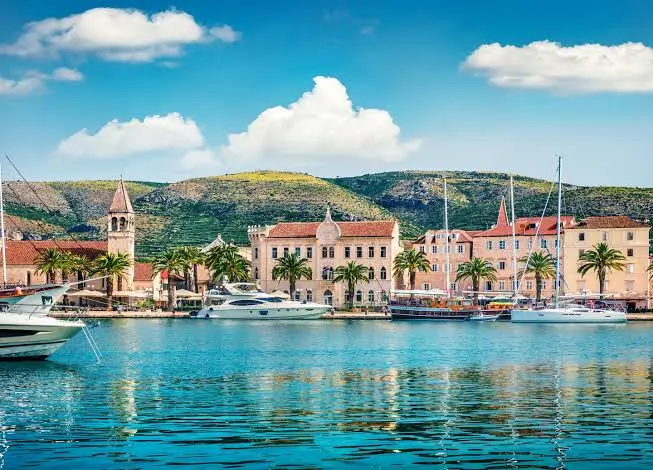
The Dalmatian Coast is what most people picture when they think of Croatia — turquoise water, terracotta rooftops, and islands scattered across the horizon. This stretch runs from Split south to Dubrovnik and includes some of the country’s most famous destinations.
Split is the largest city on the coast and serves as the main gateway to the islands. The heart of Split is Diocletian’s Palace, a UNESCO World Heritage Site built in the 4th century. Unlike many historical monuments, the palace isn’t fenced off — people live and work inside it. It’s one of the most unique urban spaces in Europe. Split is also one of the best places to visit in Croatia for day trips, with easy ferry access to Hvar, Brač, and Vis.
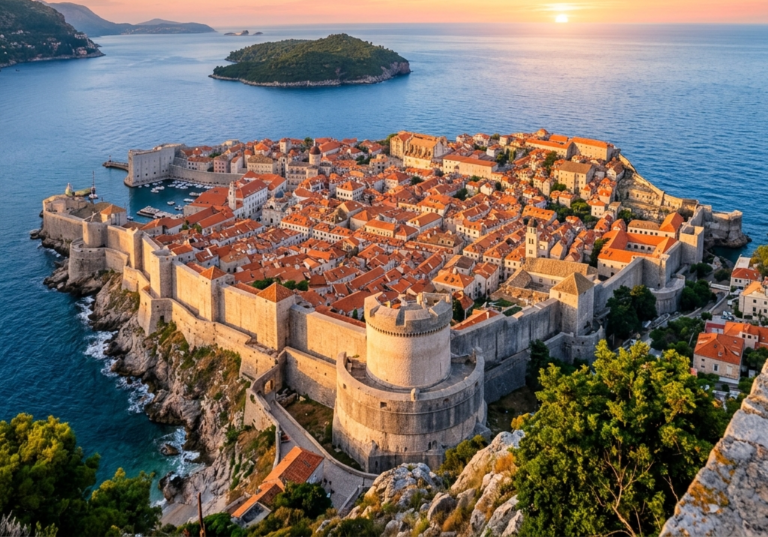
Dubrovnik is Croatia’s most famous city, known for its intact medieval walls and stunning coastal setting. It’s more touristy and more expensive than Split, but the Old Town is genuinely spectacular. Walking the city walls at sunset is one of those experiences that lives up to the hype.
Hvar is an island known for its mix of beach clubs, lavender fields, and historic towns. It’s popular with younger travelers and has a lively summer scene, but the island also has quieter villages and hidden coves if you know where to look.
Brač is home to Zlatni Rat, one of the most photographed beaches in Europe. The beach changes shape depending on the wind and current, which makes it interesting to visit more than once. The island also has olive groves, vineyards, and a handful of small towns that feel a world away from the beach crowds.
Istria
Istria is Croatia’s northern coastal region, shaped like a triangle jutting into the Adriatic. It has a different feel from the Dalmatian Coast — more Italian influence, rolling green hills, and a food scene focused on truffles, olive oil, and wine.
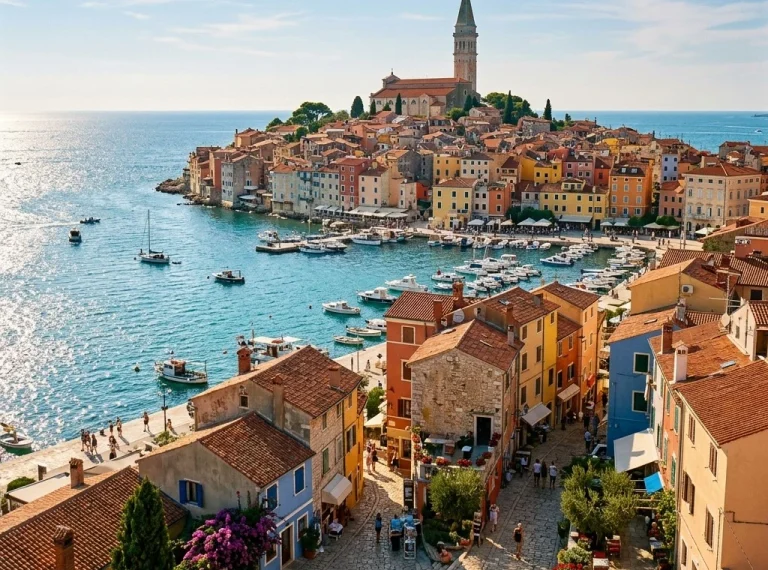
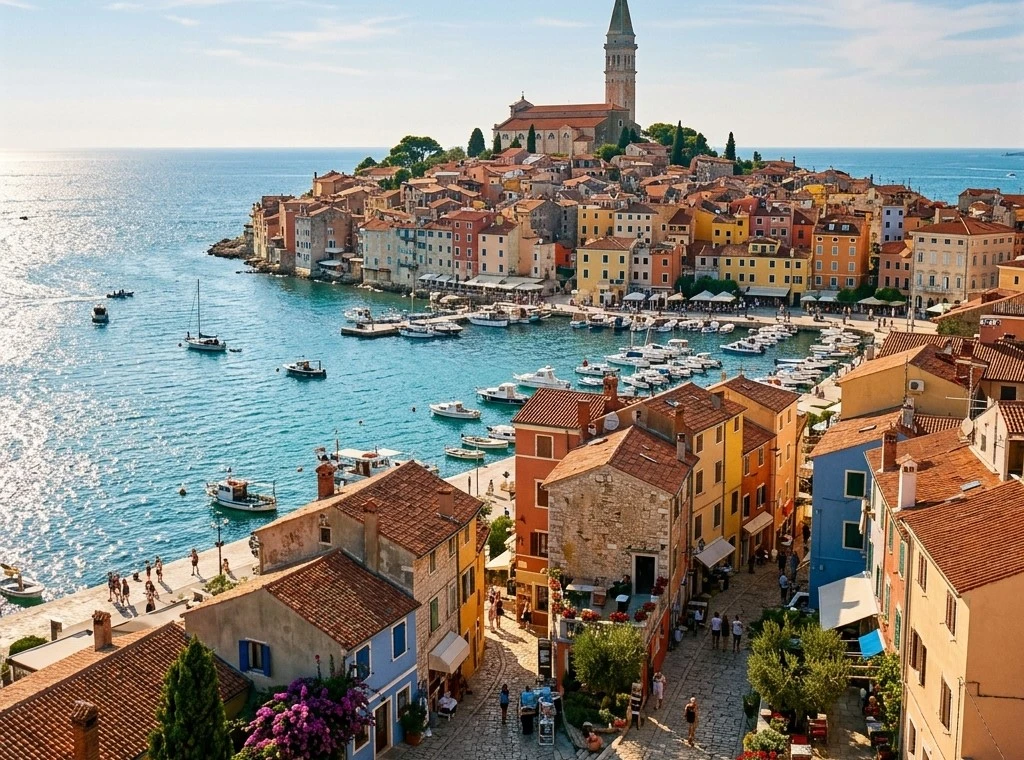
Rovinj is the jewel of Istria’s coast. A former fishing village with colorful buildings stacked along a small peninsula, Rovinj has become one of Croatia’s most charming towns. It’s smaller and quieter than Split or Dubrovnik, which is exactly part of its appeal.
Pula is known for its remarkably well-preserved Roman amphitheater, one of the best outside of Italy. The town also has a rugged coastline with rocky beaches and clear water that’s great for snorkeling.
Plitvice Lakes National Park
Plitvice Lakes is one of Croatia’s most visited natural attractions, and for good reason. The park contains 16 terraced lakes connected by waterfalls, all set within dense forest. The water ranges from blue to green to grey depending on the angle and light. Wooden walking paths wind through and over the lakes, making it easy to see the entire park in a single day.
The park gets very crowded in summer, especially between 10am and 2pm. Arriving early or visiting in shoulder season makes a significant difference in the experience. Note that swimming in the lakes is no longer permitted.
Zagreb
Zagreb, the capital, is often overlooked by travelers heading straight for the coast. That’s a mistake. The city has a lively upper town with cobblestone streets, a growing food and coffee scene, excellent museums, and a more authentic local atmosphere than the coastal tourist centers.
Zagreb also makes a good base for day trips to places like Plitvice Lakes (about two hours north) and the mountainous interior of the country.
How to Get Around Croatia
Croatia is easy to navigate, even without a rental car.
By air: Split and Dubrovnik have the main international airports. Zagreb’s airport handles more flights from European carriers. Budget airlines like Ryanair and EasyJet serve several Croatian airports during summer.
By ferry: The Croatian ferry system connects the mainland to the islands. The main routes run from Split and Dubrovnik to Hvar, Brač, Vis, Korčula, and other islands. Jadrolinija is the main ferry company, and tickets can be booked online. In summer, routes are frequent; in winter, they reduce significantly.
By bus: Croatia’s bus network is extensive and affordable. Long-distance buses connect all major cities and many smaller towns. FlixBus and local operators cover most routes. Buses are generally comfortable and reliable.
By car: Renting a car gives you the most flexibility, especially for exploring Istria, the interior, and smaller coastal towns not well served by public transport. Be aware that parking in coastal towns during summer can be difficult and expensive. Driving on the coast is scenic but slow — the roads wind along cliffs and through tunnels.
By train: Croatia’s rail network is limited. Trains connect Zagreb to Split and a few other cities, but the service is slower than buses and doesn’t reach the coast as effectively. Trains are more useful for travel between Zagreb and neighboring countries like Slovenia and Hungary.
Croatian Food and Drink You Can’t Miss
Croatian food is fresh, simple, and regionally varied. Along the coast, the cuisine is Mediterranean — lots of seafood, olive oil, grilled fish, and vegetables. In the interior, you’ll find heartier dishes with meat, pasta, and truffles.
Some dishes worth trying:
Peka is a traditional method of cooking meat or seafood under a bell-shaped dome covered with hot coals. The result is tender, smoky, and deeply flavorful. It’s often found in family-run restaurants called konobas.
Black risotto (crni rižot) is made with cuttlefish ink and has a striking dark color. It’s rich and briny, and every coastal restaurant seems to have its own version.
Burek is a flaky pastry filled with meat, cheese, or spinach. It’s cheap, filling, and available at bakeries everywhere. It makes an excellent quick breakfast or snack.
Ćevapi are small grilled sausages served with flatbread and raw onions. You’ll find them throughout the Balkans, but Croatian versions are worth trying.
For drinks, try local wines — Croatia has a long winemaking tradition, particularly in Istria and on the islands. Plavac Mali and Graševina are common red and white varieties. Rakija, a fruit brandy, is the traditional spirit and is often offered as a welcome drink.
Where to Stay in Croatia
Accommodation in Croatia ranges from budget hostels to luxury boutique hotels, with options to suit almost every travel style.
In Split: Look for apartments or hotels inside or near Diocletian’s Palace. Staying in the Old Town puts you within walking distance of everything. For something more modern, the Riva waterfront area has several well-rated hotels.
In Dubrovnik: The Old Town is the most atmospheric place to stay, though it can be noisy in summer. Apartments just outside the walls offer a good balance of convenience and value.
On the islands: Hvar Town has the most accommodation options, from party hostels to upscale hotels. Brač and Vis have smaller, more locally-run guesthouses that offer a more personal experience.
In Istria: Rovinj’s old town has charming boutique hotels and guesthouses. For something quieter, look for agrotourism stays in the Istrian countryside — many come with home-cooked meals and wine.
Booking tip: Summer accommodation books up fast, especially in Dubrovnik and Hvar. Book at least two to three months in advance for peak season. Shoulder season is much more flexible.
How Much Does Croatia Cost?
Croatia is moderately priced compared to Western Europe. It’s more expensive than neighboring Balkan countries but generally cheaper than Italy, France, or Spain.
Budget travelers can manage well by staying in hostels, eating at bakeries and local restaurants, and using public transport. Expect to spend around 50 to 70 euros per day.
Mid-range travelers can enjoy private apartments, restaurant meals, and guided tours for around 100 to 150 euros per day.
Luxury travelers have plenty of options, from five-star hotels to private yacht charters. Costs can go as high as you want, but even luxury Croatia tends to be more affordable than comparable Mediterranean destinations.
The main expense drivers are accommodation (especially in summer) and activities like boat tours and national park entry fees. Food and local transport are reasonably priced year-round.
Money-saving tips:
- Visit during shoulder season for lower prices on everything
- Eat where locals eat — look for restaurants away from the main squares
- Use the bus instead of renting a car when possible
- Buy combined tickets for attractions (many cities offer tourist cards with discounts)
- Drink tap water — it’s safe throughout Croatia and saves you money on bottled water
Practical Tips for Your Trip
Currency: Croatia uses the Euro (EUR). ATMs are widely available, but carry some cash for markets, small restaurants, and parking.
Language: Croatian is the official language, but English is widely spoken in tourist areas. In smaller towns and villages, English proficiency may be lower.
Safety: Croatia is one of the safest countries in Europe for tourists. Petty crime is rare, and violent crime is very uncommon. Standard precautions apply — watch your belongings in crowded areas and be careful on slippery Old Town streets.
Tipping: Tipping is appreciated but not expected. Round up the bill or leave 10 percent for good service at restaurants.
Electricity: Croatia uses the standard European two-pin plug (Type C and F). The voltage is 230V.
Water: Tap water is safe to drink throughout Croatia, including on the islands. Bring a reusable bottle to save money and reduce plastic waste.
Footwear: The ancient Roman paving stones in Old Towns like Split and Dubrovnik are beautiful but slippery, especially after rain. Wear shoes with good grip.
SIM cards: You can buy a local SIM card at the airport or in town. T-Mobile and A1 are the main providers. Data is affordable and coverage is good along the coast.
How Many Days Do You Need in Croatia?
This depends on how much of the country you want to see.
- 2 to 3 days is enough for a single city like Split or Dubrovnik
- 5 to 7 days works well for a coastal trip covering two or three destinations
- 10 to 14 days lets you see the highlights at a comfortable pace, including islands, national parks, and at least one inland city
For most first-timers, a 7 to 10 day trip is the sweet spot. That gives you enough time to explore one or two cities, take at least one day trip, and fit in some beach time without rushing.
Sample Croatia Itinerary for First-Timers
Here’s a simple 10-day route that covers the main highlights:
Days 1 to 3: Split — Explore Diocletian’s Palace, hike Marjan Hill, visit Klis Fortress, and take a day trip to Brač or Hvar.
Days 4 to 5: Plitvice Lakes — Drive or take a bus from Split. Spend one full day in the park and one night nearby.
Days 6 to 8: Dubrovnik — Walk the city walls, explore the Old Town, take a boat to Lokrum Island, and watch the sunset from Buza Bar.
Days 9 to 10: Cavtat or Mostar — Use your last days for a relaxed coastal town like Cavtat (45 minutes from Dubrovnik) or cross the border to Mostar in Bosnia and Herzegovina for a completely different experience.
This route works well as a one-way trip — fly into Split, fly out of Dubrovnik.
Frequently Asked Questions About Croatia Travel
Do I need a visa to visit Croatia?
Citizens of the EU, US, UK, Canada, Australia, and many other countries can visit Croatia for up to 90 days without a visa. Croatia joined the Schengen Area in January 2023, so if you’re traveling from another Schengen country, there are no border checks.
What is the best island to visit in Croatia?
It depends on what you’re looking for. Hvar is best for nightlife and beach clubs. Brač is ideal for beaches and outdoor activities. Vis is the most remote and unspoiled. Korčula is known for its medieval old town and wine. For most first-time visitors, Hvar or Brač are the easiest choices because of frequent ferry connections from Split.
Is Croatia expensive?
Croatia is moderately priced compared to Western Europe. It’s more expensive than neighboring Balkan countries but generally cheaper than Italy, France, or Spain. Budget travelers can manage well by staying in hostels, eating at bakeries and local restaurants, and using public transport. Peak summer on the Dalmatian Coast is the most expensive time to visit.
Can I swim in the sea in Croatia?
Yes. The Adriatic Sea along Croatia’s coast is clean and warm enough for swimming from June through October. Water temperatures peak around 25°C (77°F) in August. Most beaches are pebble, though there are some sandy options like Bačvice Beach in Split and Sakarun Beach on Dugi Otok.
Is Croatia safe for solo travelers?
Croatia is considered one of the safest destinations in Europe for solo travelers, including solo female travelers. The tourist areas are well-policed, and violent crime is very rare. Use common sense — avoid poorly lit areas at night, keep an eye on your belongings in crowds, and be cautious on slippery Old Town streets.
What is the best way to get from Split to Dubrovnik?
The most popular options are driving the coastal road (about 4 hours with stops), taking a bus (4 to 5 hours), or flying (about 1 hour). The coastal drive is scenic and worth doing if you have time. Buses are affordable and comfortable. Flying is the fastest option but doesn’t allow for stops along the way.
Is English spoken in Croatia?
Yes. English is widely spoken in tourist areas, restaurants, hotels, and on ferries. In smaller towns and villages, English proficiency may be lower, but you’ll generally be able to communicate. Learning a few basic Croatian phrases like “hvala” (thank you) and “molim” (please) is appreciated by locals.
Your Croatia Trip Starts Here
Croatia rewards travelers who take the time to look beyond the postcard images. The famous spots — Dubrovnik’s walls, Plitvice’s waterfalls, Hvar’s beaches — are famous for good reason. But some of the best moments come from the smaller things: a quiet morning at a café in Split’s Old Town, a swim in a hidden cove on Brač, a truffle meal in an Istrian village, or a sunset walk along Rovinj’s harbor.
The country is easy to travel, safe, and offers enough variety to suit almost any type of traveler. Whether you’re drawn by the history, the food, the islands, or simply the idea of sitting by the Adriatic with a glass of local wine, Croatia delivers.
For more ideas on where to go, check out our guide to the best places to visit in Croatia for a complete overview of the country’s top destinations. Ready to start planning? Your Croatian adventure is waiting!