Best Places to Visit in Croatia: 17 Beautiful Stops
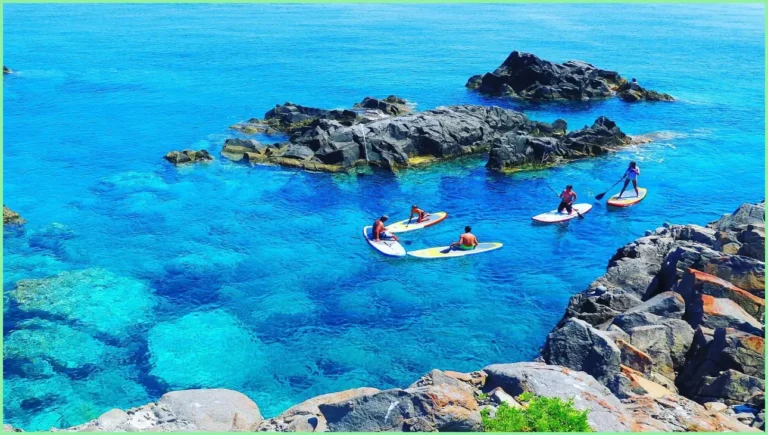
Best Places to Visit in Croatia include Dubrovnik’s ancient walled city, the turquoise-cascading waterfalls of Plitvice Lakes National Park, the Roman ruins of Split and Pula, and island gems like Hvar and Korčula. A complete trip covering the coast, islands, and national parks takes 12–17 days and rewards slower, flexible travel.
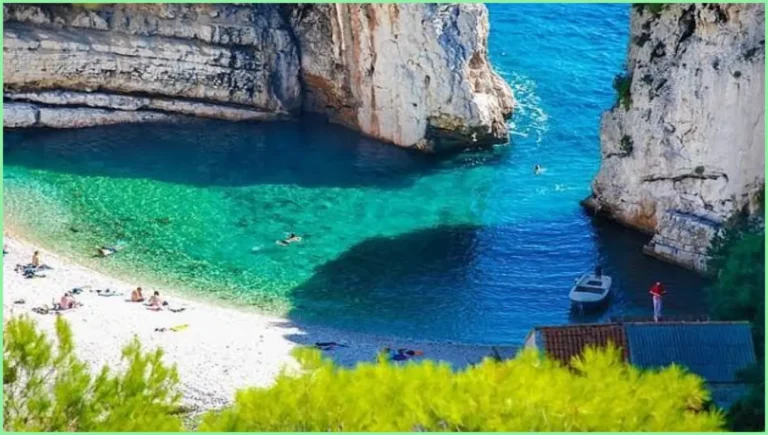
Croatia packs an extraordinary amount of beauty into a relatively small country. Roman ruins. Cascading emerald waterfalls. Colorful Venetian-style towns. Crystal-clear Adriatic bays that make you stop the car just to stare. Few destinations in Europe offer this kind of variety in a single trip — and fewer still deliver it with Croatia’s laid-back warmth.
This guide covers the 17 most Best Places to Visit in Croatia, from the sun-drenched Istrian Peninsula in the north all the way down to Dubrovnik’s iconic walled city on the southern Dalmatian Coast. Whether you’re mapping out your first visit or planning a return trip with more time to explore, you’ll find everything you need here to build a trip worth remembering.
A few things to note before diving in. Croatia’s coastline stretches 5,835 kilometers, and with more than 1,000 islands, there’s no single “right” way to see it. The Best Places to Visit in Croatia below are organized roughly from north to south, which works well as a road trip route or as a planning framework for mixing coastal and inland stops. For each destination, you’ll find what makes it special, practical tips, and where to stay.
Ready? Let’s get into it!
Table of Contents
What Are the Most Best Places to Visit in Croatia ?
The 17 destinations below cover the full range of what Croatia offers — ancient cities, UNESCO-listed national parks, quiet islands, and underrated towns that most tourists fly straight past. Together, they form the backbone of a great Croatian itinerary.
1. Plitvice Lakes National Park
Plitvice Lakes National Park is arguably the most spectacular natural attraction in the entire country — and it earns every bit of that reputation. Sixteen interconnected turquoise lakes cascade through dramatic tufa barriers, connected by dozens of waterfalls set between lush green forest. Wooden boardwalks wind through the park, giving the whole experience a surreal, almost dreamlike quality.
Plitvice is the largest national park in Croatia, covering nearly 300 square kilometers, and it holds UNESCO World Heritage Site status. It’s also the oldest national park in southeast Europe. Those designations matter, but nothing prepares you for what it actually looks like in person.
The most important planning tip: arrive early. Tour buses start arriving mid-morning, and the difference between an 8am visit and a 10am visit is enormous. Spending a night nearby gives you first access before the crowds arrive.
Plan for at least a half-day inside the park, or a full day if you want to walk multiple trails at a relaxed pace.
Where to stay: Villa Knezevic is a cozy guesthouse within walking distance of the park entrance. For something closer to the action, look for accommodation inside or directly adjacent to the park boundary.
How to get there: Drive from Split (2.5 hours), Zagreb (2 hours), Zadar (1.5 hours), or Rijeka (2 hours). Day trips are available from all four cities if you’d prefer not to drive.
2. Dubrovnik
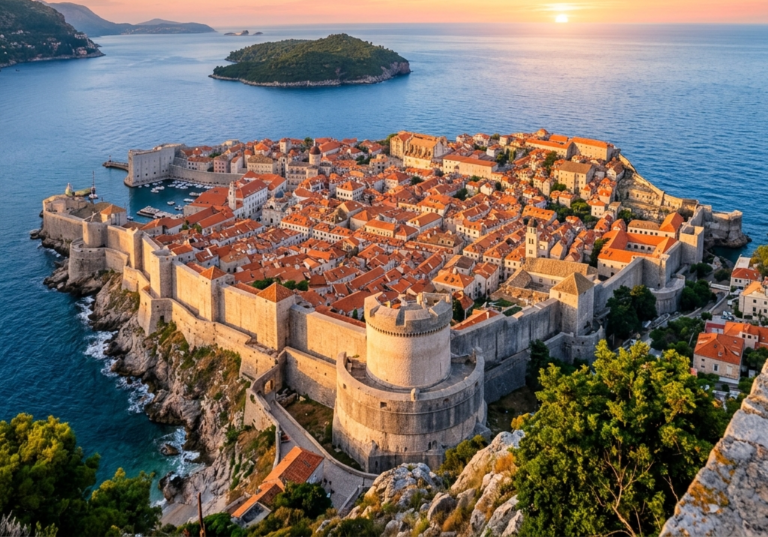
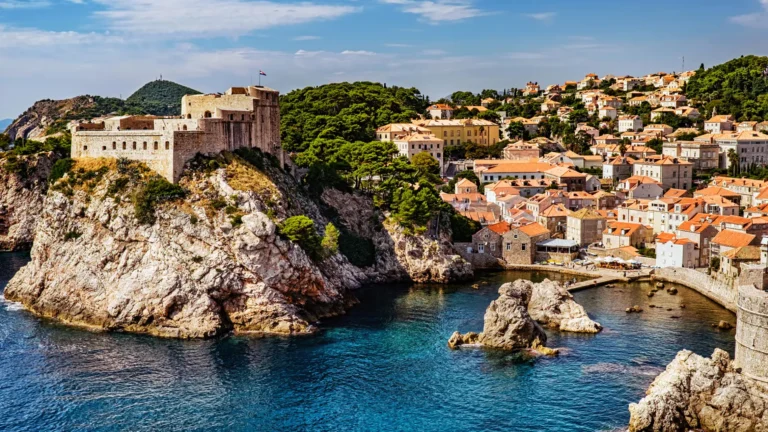
Dubrovnik is Croatia’s most famous city, and it absolutely lives up to the hype. This beautifully preserved medieval walled city sits right on the Adriatic Sea, its marble streets gleaming white in the Croatian sun. Walking the historic city walls — one of the best things to do anywhere in Europe — gives you sweeping views over the terracotta rooftops and the brilliant blue water below.
Dubrovnik’s profile soared even higher thanks to its role as King’s Landing in Game of Thrones. Fans of the series will recognize landmarks around every corner, and dedicated Game of Thrones tours run daily. But even without the pop culture connection, Dubrovnik is a genuine wonder — a city that rewards slow wandering, late-evening strolls, and lingering over coffee in the old town.
One honest caveat: July and August bring cruise ship crowds that can feel overwhelming. Visiting early in the morning or in the shoulder season (May, June, September, October) makes a significant difference.
Where to stay: Look for apartments in the old town itself for maximum atmosphere. Banje Beach, just outside the city walls, is one of Croatia’s most beautiful beaches and worth planning time around.
How to get there: Fly into Dubrovnik Airport (DBV) or arrive by ferry from Split or Korčula.
3. Split
Split is Croatia’s second-largest city, but it has the feel of something much more intimate. The reason is Diocletian’s Palace — a massive, well-preserved Roman complex built in the early 4th century that now forms the living heart of the old town. Apartments, cafés, restaurants, and boutique hotels are tucked right inside the ancient walls. Walking through it really does feel like stepping onto a movie set.
The old town’s UNESCO World Heritage Site listing is well deserved, and Split offers plenty beyond the palace: the waterfront Riva promenade, vibrant markets, excellent seafood, and easy ferry access to nearby islands. As a base for exploring the Dalmatian Coast, Split is unbeatable.
Where to stay: Judita Palace Heritage Hotel puts you right in the center, inside a 16th-century palace.
How to get there: Fly into Split Airport (SPU), or arrive by ferry, bus, or car.
4. Rovinj
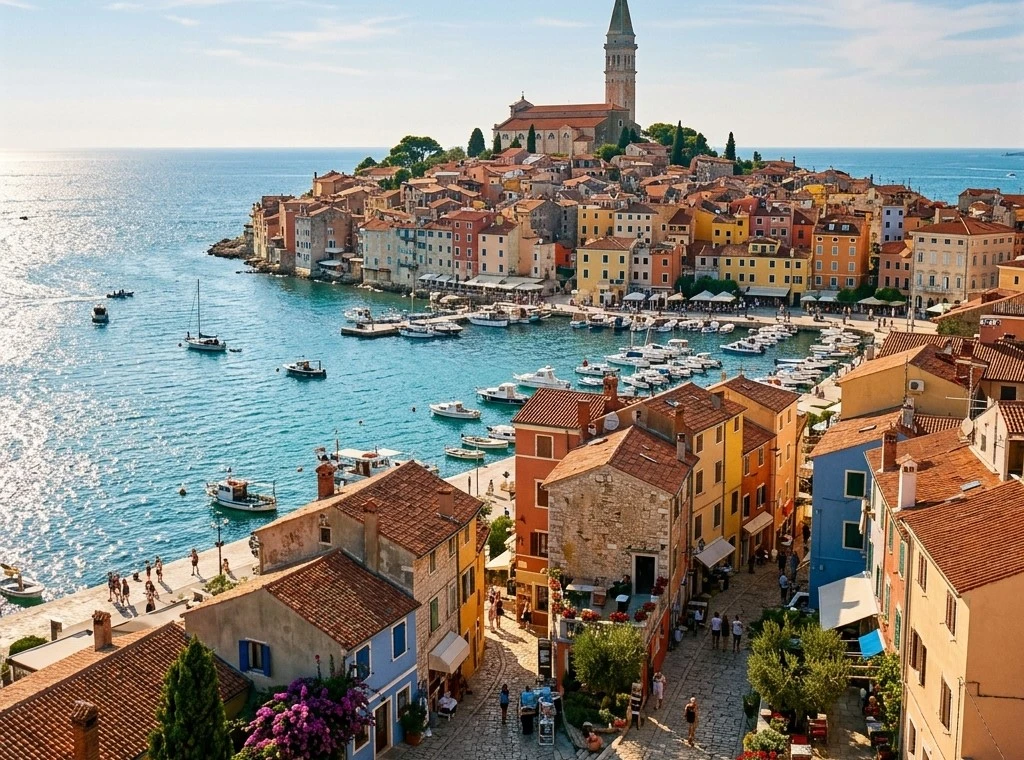
Rovinj sits on the western tip of the Istrian Peninsula, and it might just be Croatia’s most photogenic city. Colorful buildings stack up along the waterfront, narrow streets twist uphill through the old town, and the Church of St. Euphemia crowns the hilltop with panoramic views over the Adriatic. The strong Italian influence here is unmistakable — most locals speak Italian alongside Croatian, and the architecture gives the whole town a Portofino quality, minus the Portofino prices.
It’s the perfect place to start a Croatian trip if you’re arriving from Italy, with ferry connections from Venice making for a memorable entry point.
Where to stay: Spirito Santo Palazzo Storico is a beautiful hotel inside a historic building in the center of the old town.
How to get there: Ferry from Venice (roughly 3 hours), or fly into nearby Pula Airport (PUY).
5. Pula
Just a short drive south of Rovinj, Pula is built around one of the most remarkable Roman structures outside of Italy: the Pula Arena. Built between 27 BC and 68 AD, this amphitheater originally hosted gladiatorial combat and could hold more than 20,000 spectators. It’s one of the best-preserved Roman arenas in the world, and it’s genuinely jaw-dropping when you see it in person.
Beyond the arena, Pula’s city center holds a Roman Forum, the Temple of Augustus, and the Arch of the Sergii — all within easy walking distance of each other. If you love ancient history, you could easily spend a full day here. If you’re short on time, the highlights are manageable in a few hours.
Pula is less touristy than many coastal cities, which adds to its appeal.
Where to stay: Preziosa is a centrally located guesthouse where every room has a balcony.
How to get there: Fly directly into Pula Airport (PUY), or drive from Rovinj (about 30 minutes).
6. Zadar
Zadar is one of those cities that keeps surprising you. The historic old town sits on a peninsula jutting into the Adriatic, surrounded by Roman ruins, medieval churches, and UNESCO-listed city walls. The 9th-century Saint Donatus Church and the ancient Forum are genuine highlights — but what really sets Zadar apart are its modern art installations.
The Sea Organ is a must-see (and must-hear): a one-of-a-kind architectural installation where the movement of waves plays music through pipes beneath the waterfront steps. Nearby, the Pozdrav suncu (Greeting to the Sun) — a solar-powered light installation — creates a spectacular show after dark. Even Alfred Hitchcock reportedly called Zadar’s sunsets the best in the world.
Zadar also makes an excellent base for day trips to Plitvice Lakes, Krka National Park, and several smaller national parks in the region.
Where to stay: Teatro Verdi Boutique Hotel is beautifully located in the heart of the old town.
How to get there: Fly into Zadar Airport (ZAD), which has good seasonal connections across Europe, or drive from Split (1.5 hours).
7. Krka National Park
Krka National Park is Plitvice’s slightly more relaxed counterpart — and for many visitors, it’s just as stunning. The park is built around the Krka River, which carves through steep limestone canyons before spilling into a series of dramatic waterfalls. The most famous, Skradinski Buk, is a wide, tiered cascade that draws big crowds in summer — arriving early is the key.
Krka is easy to visit as a day trip from Split or Šibenik, and boat trips from the village of Skradin offer a scenic approach to the park entrance. Wooden walkways wind through the park, making it accessible for most fitness levels.
Where to stay: Apartments & Rooms Formenti in the village of Skradin offers beautiful rooms with balconies, right near the boat departure point.
How to get there: Day trip from Split (1.5 hours by car) or Zadar (1 hour). Guided tours are available from both cities.
8. Šibenik
Šibenik sits right next door to Krka National Park and is easily one of the most beautiful towns in Croatia that hasn’t yet been overrun by mass tourism — something that makes it even more worth visiting now. The old town is a maze of steep stone streets, quiet squares, and stairways that connect different levels of the hillside.
The absolute highlight is St. James’ Cathedral, a UNESCO World Heritage Site in its own right. Built entirely from stone — no brick, no wood — it’s a remarkable feat of medieval construction. Look closely at the exterior; the decorative stonework includes a famous frieze of 71 sculpted faces along the base of the apses. Climb up to St. Michael’s Fortress afterward for sweeping views over the old town and harbor.
Where to stay: City Rooms Šibenik puts you in the old town with sea views.
9. Hvar
Hvar is one of the most Best Places to Visit in Croatia — and it earns its reputation. Hvar Town has a lively, beautiful harbor, a magnificent main square, and a hilltop fortress that rewards the climb with panoramic views. The island is well known for its nightlife, but there’s a quieter, equally lovely side to Hvar: lavender fields, sleepy villages, and some of the best beaches along the Dalmatian Coast.
A boat trip to the nearby Pakleni Islands is a must-do from Hvar — crystal-clear water, hidden coves, and far fewer people than the main town.
Where to stay: Adriana Hvar Spa Hotel for modern luxury, or Palace Elisabeth for five-star amenities with a historic feel.
How to get there: Ferry or catamaran from Split.
10. Korčula
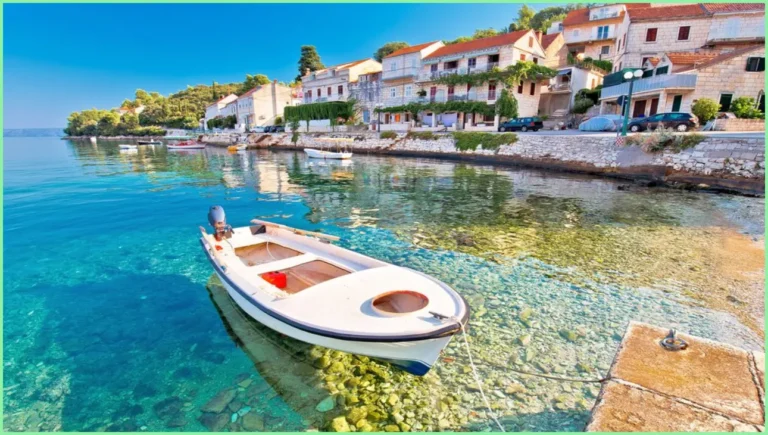
Often called a mini Dubrovnik, Korčula is a walled medieval town with far fewer crowds and a distinctly local character. The old town sits on a small peninsula, its narrow fishbone streets designed to channel sea breezes and block the wind simultaneously — an elegant piece of medieval urban planning. Korčula is also known for its white wine, particularly Pošip and Grk, grown on the island’s sun-drenched hillsides.
If you’re looking for somewhere that feels authentic, beautiful, and not overwhelmed by tourism, Korčula is the answer.
Where to stay: Aminess Korčula Heritage Hotel for historic luxury with sea views.
How to get there: Ferry from Split or Dubrovnik.
11. Trogir
Trogir is another UNESCO-listed gem, and it’s easy to visit as a day trip from Split (just 30 kilometers away). The entire old town sits on a small island connected to the mainland by a bridge, and its Romanesque and Gothic architecture reflects centuries of Venetian influence. It’s largely car-free, which makes wandering the narrow streets a genuine pleasure.
The Cathedral of St. Lawrence is the main attraction — its elaborately carved main portal is one of the finest examples of Romanesque sculpture in Croatia. Climbing the bell tower rewards you with views over the terracotta rooftops and out to the Adriatic.
Where to stay: Villa Kaleta Rooms offers cozy, well-furnished accommodation in the heart of the old town.
12. Zagreb
Zagreb doesn’t get the attention it deserves. Croatia’s capital is often skipped in favor of the coast, but that’s a mistake — especially for travelers who want to experience Croatia beyond the beaches. The Upper Town (Gornji Grad) is full of charm: the mosaic-tiled Saint Mark’s Church is one of the most striking buildings in the country, and the Strossmayer Promenade offers beautiful views over the city’s rooftops.
Zagreb also has a fantastic food scene, and eating out here costs significantly less than in coastal cities like Dubrovnik or Hvar. As the youngest capital in Europe and a genuine cultural hub, it’s worth at least two days of your time.
Where to stay: Hotel Jägerhorn is a centrally located hotel with a beautiful courtyard.
How to get there: Zagreb Airport (ZAG) has international connections across Europe, and the city is well-served by train and bus from neighboring countries.
13. The Croatian Islands
Croatia has more than 1,000 islands along its Adriatic coast, and exploring even a few of them is one of the best experiences the country offers. Each island has its own distinct character — some lively and social, others quiet and remote.
Here are five of the best Croatian islands to consider:
- Krk — A large, varied island in the north with charming villages and good road connections to the mainland.
- Hvar — Croatia’s most famous island. Lively, beautiful, and endlessly photogenic.
- Vis — A quieter island in the south, known for its pristine bays and excellent wine.
- Dugi Otok — One of the most beautiful islands in the country, with stunning bays and crystal-clear water.
- Ugljan — Near Zadar, this island is ideal for hiking and cycling, and far less visited than most. It’s a great place to meet locals and escape the tourist trail entirely.
14. Brač
Brač is home to Zlatni Rat — one of the most photographed beaches in Croatia, and for good reason. This distinctive horn-shaped beach shifts shape with the currents, creating a constantly changing landform that juts into the sea. The island itself is more laid-back than neighboring Hvar, with calm water and a slower pace that suits anyone looking for a genuine island escape.
Where to stay: Bluesun Hotel Elaphusa for beach resort vibes.
How to get there: Ferry from Split to Supetar or Bol.
15. Klis
Twelve kilometers north of Split, the fortress of Klis is a strategically positioned stronghold that has guarded the mountain pass above Split for centuries. The views down over the city and the surrounding landscape are spectacular. Like Dubrovnik, Klis has gained wider recognition through its role in Game of Thrones — it was used as the filming location for the city of Meereen.
Where to stay: Room and Apartment Perlica is a comfortable guesthouse with spacious rooms and balconies.
16. Osijek
Osijek is the kind of place most visitors skip — and that’s exactly why it’s worth including here. Located in the northeast of Croatia, far from the coast, this green, relaxed city offers a completely different side of the country. Wide squares, colorful architecture, and a strong local food culture make Osijek a great destination for travelers who want to see beyond the tourist trail.
It’s also one of the Best Places to Visit in Croatia to explore traditional Croatian cuisine, with many restaurants serving local specialties that rarely make it onto coastal menus.
Where to stay: Sobe Merlon is a trendy B&B in a peaceful, green location within walking distance of the center.
17. Krk Island (in depth)
Krk deserves a closer look as a destination in its own right. Croatia’s second-largest island (by population) is well connected to the mainland via a bridge — the only Croatian island with a direct road connection — which makes it ideal for road trippers. The landscape ranges from lush forests in the interior to pebble beaches and dramatic coastal cliffs. The old town of Krk itself is compact and charming, with ancient Roman walls still visible around the perimeter.
When Is the Best Time to Visit Croatia?
Croatia’s best time to visit depends on your priorities. The sweet spot for most travelers is May–June or September–October — warm enough to swim, uncrowded enough to enjoy the cities, and priced more reasonably than peak summer.
July and August are beautiful but busy. Dubrovnik and Hvar in particular fill up fast, and prices reflect it. If you’re visiting in peak summer, arriving early at major attractions (especially Plitvice) makes a significant difference.
Shoulder season visitors get the best of both worlds: full sunshine, warm Adriatic water, and far fewer cruise ship crowds at coastal cities.
How to Get Around Croatia
Croatia is tailor-made for road trips. The road network is in excellent condition, scenery changes constantly, and having your own car makes spontaneous stops much easier. Coastal roads are slower than the motorways but dramatically more scenic — budget extra time if you’re driving along the Dalmatian Coast.
Along the coast, ferries are essential. Island hopping between Brač, Hvar, Korčula, and Dubrovnik is easy and enjoyable — the boat rides themselves are part of the experience. Croatia’s bus network is reliable and covers most destinations if you prefer not to drive.
Getting to Croatia is straightforward. Main international airports include Zagreb (ZAG), Split (SPU), Dubrovnik (DBV), and Zadar (ZAD). Arriving by ferry from Venice to Pula or Rovinj is a scenic alternative that sets the tone for a great trip.
How to Make the Most of Your Trip to Croatia
Croatia rewards slower travel. The temptation is to move quickly and tick off every destination — but the country’s real magic reveals itself when you linger. Spend three nights somewhere instead of two. Take the scenic coastal road instead of the motorway. Stop when a bay looks too good to drive past.
To see most of the highlights on this list, plan for at least 12–14 days. A 7-day trip can cover six or seven destinations comfortably, but you’ll feel the pace. Two weeks gives you enough breathing room to actually enjoy what you’re seeing.
The good news? Croatia is one of those rare destinations where even a short trip delivers extraordinary moments. Pick your region — Istria, the Dalmatian Coast, the national parks — and build from there.
Frequently Asked Questions About Visiting Croatia
What are the Best Places to Visit in Croatia for first-time visitors?
For first-time visitors, the essential stops are Dubrovnik (walled city and coastal beauty), Split (Diocletian’s Palace and island access), Plitvice Lakes National Park (Croatia’s most iconic natural attraction), Hvar (the best island experience), and Rovinj (the most charming town on the Istrian Peninsula). Together, these five destinations give a strong representative sample of what makes Croatia special.
How many days do you need to see Croatia properly?
A minimum of 12–14 days is recommended to cover the main highlights without feeling rushed. A 7-night trip can cover a single region well — either Istria and the northern coast, or the Dalmatian Coast from Split to Dubrovnik. Two weeks allows you to combine cities, islands, and at least one national park at a comfortable pace.
What is the best time of year to visit Croatia?
May, June, and September are the best months to visit Croatia. The weather is warm, the Adriatic is swimable, and the crowds are manageable compared to peak summer. July and August are the busiest and most expensive months, particularly in Dubrovnik and Hvar. October is a good option for milder weather and very few tourists.
Is Croatia good for island hopping?
Croatia is one of Europe’s best destinations for island hopping. With more than 1,000 islands along the coast and regular ferry connections between them, it’s easy to combine multiple islands in a single trip. Hvar, Korčula, Brač, and Vis are the most popular choices along the Dalmatian Coast, with ferries running from Split to all four.
What is the most beautiful city in Croatia?
Dubrovnik is widely considered the most beautiful city in Croatia, thanks to its perfectly preserved medieval city walls, marble-paved old town, and dramatic Adriatic setting. Rovinj is a strong contender for most picturesque, and Split offers the most immersive historic experience through Diocletian’s Palace. Korčula is the best choice for a quieter, less touristy alternative.
Is driving in Croatia difficult?
Driving in Croatia is straightforward for most visitors. Roads are well maintained and clearly signed. Motorways are fast and efficient for long distances, while coastal roads are slower but scenic. Tolls apply on major motorways, so carry some cash. Parking in old town centers can be limited in peak season — arriving early or using peripheral parking areas is recommended.
What should I eat in Croatia?
Along the coast, fresh seafood is the star — grilled fish, octopus salad, black risotto, and grilled calamari are all must-tries. Inland, roasted lamb (janjetina) and hearty meat dishes dominate. Burek (a flaky, filled pastry) is the ideal quick snack on the road. In Istria, look out for truffles, local olive oil, and excellent wines. Šibenik’s local bakeries and Ston’s fresh oysters are both worth going out of your way for.
Your Croatia Trip Starts Here
There is no wrong way to do Croatia. Whether you spend a week on the Dalmatian Coast, a fortnight covering the country from Rovinj to Dubrovnik, or keep it simple with one city and one national park — every version of a Croatian trip delivers something worth having. The country is genuinely beautiful, consistently surprising, and remarkably easy to travel around.
Use this guide to build your route, bookmark the destinations that excite you most, and give yourself more time than you think you need. Croatia has a way of making you wish you’d planned for one more day — so plan for it now!