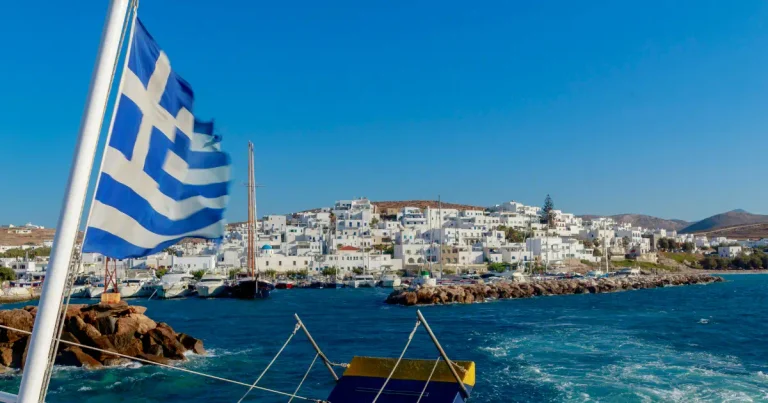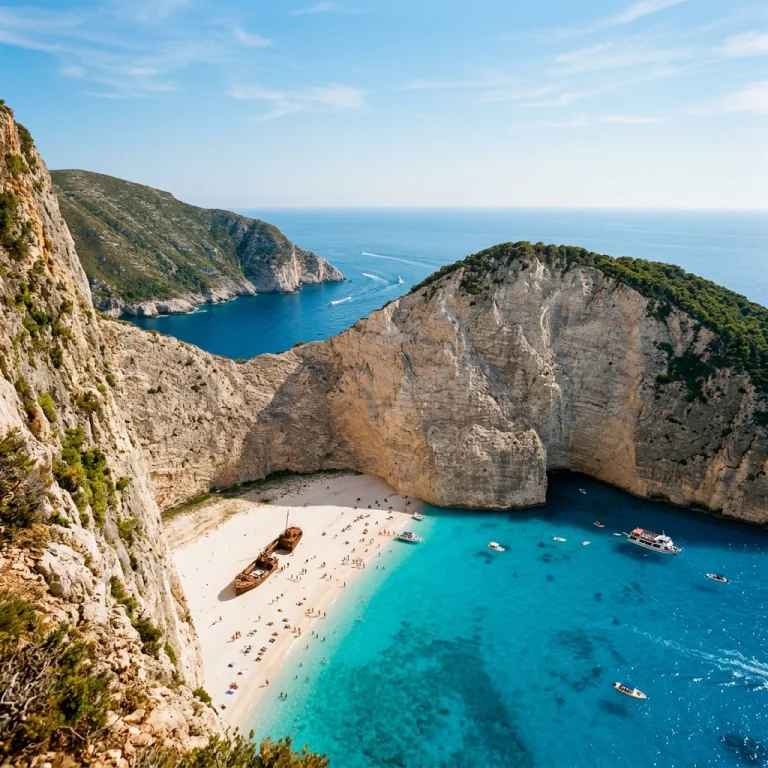
Milos City & Island Guide: Best Beaches, Plaka, Things to Do & Where to Stay
If you’re searching for “milos city,” here’s the first thing to know: Milos isn’t a single city at all! It’s a stunning volcanic island in the Greek Cyclades, made up of several distinct settlements, each with its own personality. When travelers type “milos city” into a search bar, they’re usually trying to figure out where the main town is, where to base themselves, and how to plan the perfect trip.
The good news? Milos delivers more variety than almost any island in the Cyclades. Think lava-white moonscapes, turquoise coves reached by ladder, red-cliff beaches, and whitewashed fishing villages built right into the rock. Add fresh seafood, dramatic sunsets, and the famous Kleftiko sea caves, and you have one of the most beautiful and rewarding islands in Greece.
This complete guide breaks down everything you need: what “milos city” really means, the best beaches, the top things to do in Crete, where to stay, and how to get around. Let’s dive in!
Table of Contents
What Does “Milos City” Really Mean?
There is no single place officially called “milos city.” Milos is an island, and its main population and activity are spread across a handful of settlements rather than one central urban center.
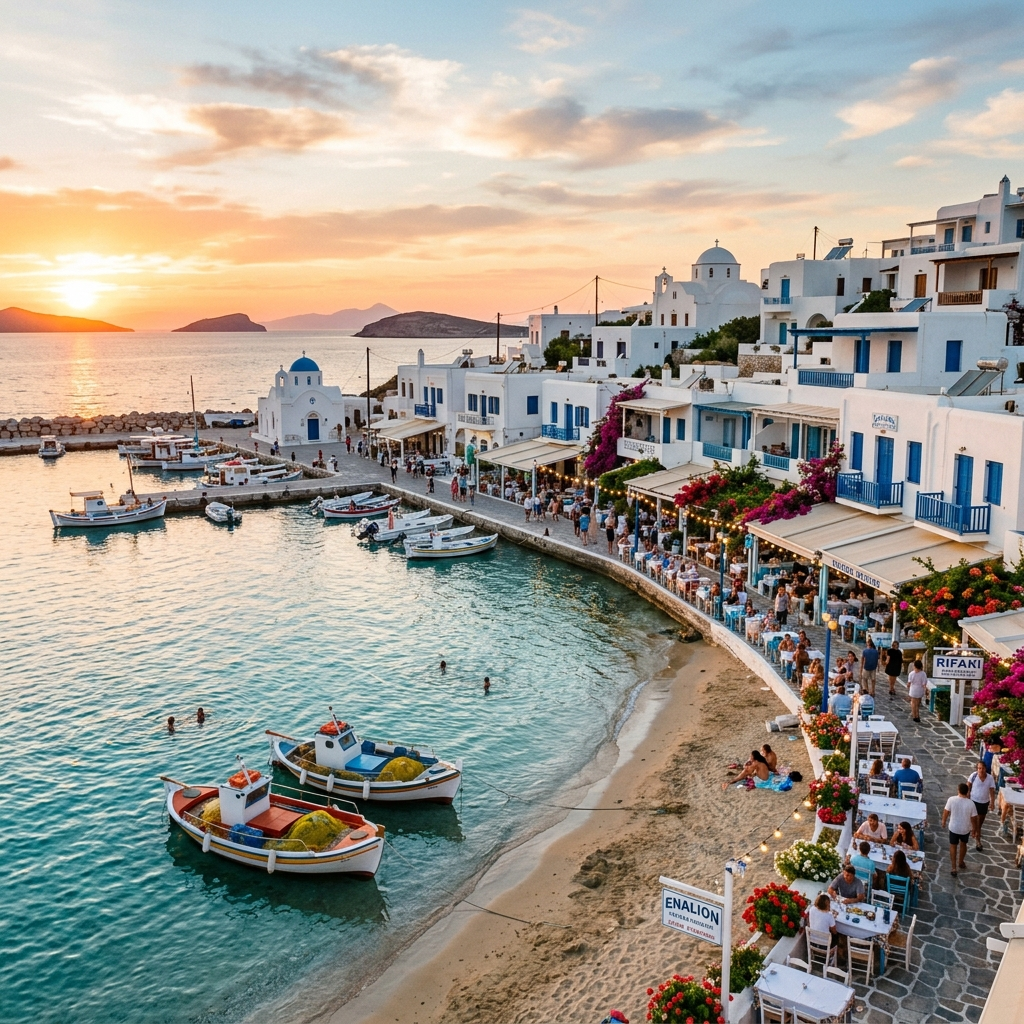
When people research milos city, they’re typically looking for one of three things: the island’s main port, its traditional capital, or the best village to use as a home base. Here’s the quick answer:
- Adamas is the main port and the busiest, most convenient hub.
- Plaka is the traditional hilltop capital, famous for its castle and sunsets.
- Pollonia is the relaxed seaside fishing village loved by families and couples.
Understanding milos city starts with understanding these settlements, because choosing the right one shapes your entire trip. Let’s look at each in detail!
The Main Settlements of Milos City
Milos is dotted with charming towns and villages, each offering something different. Here’s how the key parts of milos city compare.
Adamas
Adamas (also spelled Adamantas) is the beating heart of milos city life for arriving travelers. It’s the main port, so it’s where your ferry docks and where most boat tours and excursions depart.
- Best for: First-time visitors, port convenience, boat trips, and travelers without a car.
- What to expect: A lively waterfront lined with restaurants, cafés, and travel agencies.
- Bonus: Adamas is the hub of the local bus network, so it’s the most practical base if you’re not renting a vehicle.
Adamas isn’t the most picturesque corner of milos city, but it’s easily the most convenient!
Plaka
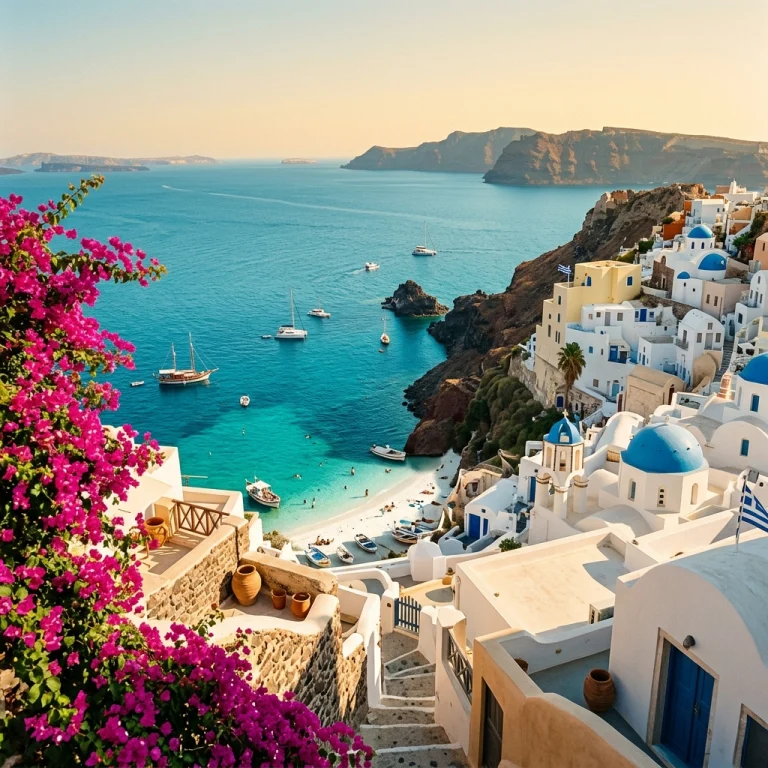
Plaka is the traditional capital of milos city and one of the most romantic spots on the island. Perched high in the hills, this whitewashed Cycladic village is a maze of narrow, winding streets, cozy cafés, and postcard-perfect views.
- Best for: Couples, sunset lovers, and travelers craving traditional atmosphere.
- Don’t miss: The Venetian castle at the top of the village and the Church of Panagia Korfiatissa.
- Good to know: Plaka isn’t within walking distance of the beach, so you’ll want a car or ATV.
More on Plaka Milos below, because this village deserves a section all its own!
Pollonia
Pollonia is a laid-back fishing village on the northeast tip of the island, and it’s a favorite base for many visitors to milos city. It hugs a harbor filled with fishing boats and offers a swimmable sandy beach right in town.
- Best for: Families, couples, and travelers who want great restaurants and easy beach access.
- What to expect: A relaxed waterfront strip packed with some of the best tavernas on the island.
- Bonus: Pollonia is your launch point for the short ferry to nearby Kimolos.
Triovasalos
Triovasalos is a lived-in local town just below Plaka, part of the everyday fabric of milos city. It’s less touristy and gives you a genuine feel for daily island life, with practical shops and a central location that connects easily to Plaka and Adamas.
Trypiti
Trypiti sits right next to Plaka and is packed with traditional Cycladic charm. This is where you’ll find the Catacombs of Milos and the Ancient Theater, along with lovely walking routes and windmills. It’s a wonderful area for history lovers exploring milos city on foot.
Klima
Klima is the most photogenic fishing village in all of milos city! Its colorful syrmata — traditional boat houses with vibrant painted doors built right at the water’s edge — make it one of the most Instagrammed spots on the island.
- Best for: Photography, sunset, and soaking up authentic fishing-village character.
- Good to know: Klima is more of a place to visit than to stay, with very limited accommodation.
Where Is Milos City? A Simple Map Breakdown
One of the easiest ways to plan your trip is to picture milos city as a set of zones. You don’t need a strict schedule here — just a mental map of where things are! A quick look at a Milos map before you arrive makes everything click into place.
Here’s how to divide the island:
Around Adamas (Central)
The most central zone, home to the port, transport connections, boat tour departures, and easy access to the rest of the island. This is command central for milos city.
Around Plaka & Trypiti (North-Central Hills)
The historic and cultural core: the capital, the castle, the catacombs, the ancient theater, and the island’s best sunset views.
Northern Coast
Where you’ll find Sarakiniko, Papafragas, Firopotamos, Mandrakia, and the village of Pollonia. This is prime beach-hopping and fishing-village territory.
Southern Coast
Home to some of the island’s most dramatic swimming beaches, including Tsigrado, Firiplaka, Paliochori, and Provatas.
Western Milos
The wild, remote west, reachable mainly by boat. This is Kleftiko country — rugged coastline and hidden sea caves best explored on a boat trip.
When using a Milos map, group your beaches and villages by zone so you’re not zigzagging across the island each day. It makes exploring milos city so much easier!
The Best Milos Beaches
Now for the main event! The Milos beaches are the number one reason travelers fall in love with this island, and there’s incredible variety among them. Here’s your guide to the best Milos Greece beaches.
Sarakiniko
Sarakiniko is the most famous of all the Milos beaches, and for good reason. Its bright-white volcanic rock has been sculpted by wind and sea into a surreal, moon-like landscape, with a swimming hole, cliff-jumping spots, and dazzling turquoise water.
- Best for: Photography, swimming, and that jaw-dropping first impression.
- Crowd tip: It gets very busy midday when tour buses arrive. Go at sunrise or sunset for a quieter, dreamier experience!
Kleftiko
Kleftiko isn’t a conventional beach — it’s a spectacular series of white limestone sea caves and rock arches off the southwest coast, reachable only by boat.
- Best for: Boat trips, swimming, snorkeling, and once-in-a-lifetime scenery.
- Good to know: Book a boat tour in advance, as they fill up quickly. Many tours include lunch, snacks, and drinks.
Firiplaka
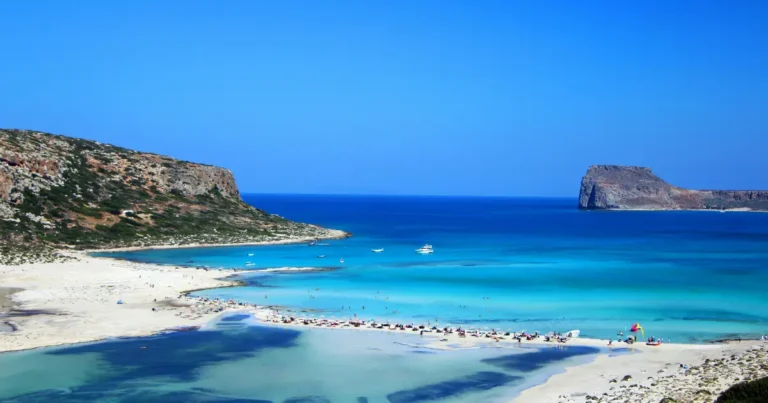
Firiplaka is a long, beautiful stretch of sand backed by striking red-and-white cliffs on the southern coast. There’s a small beach bar with sunbeds, snacks, and drinks.
- Best for: Easy access, sunbathing, and swimming in clear water.
- Good to know: Getting there may involve wading through shallow water depending on the tide.
Tsigrado
Tsigrado is a tiny, dramatic cove on the south coast reached by climbing down a steep rope-and-ladder route. The reward is gorgeous turquoise water and a real sense of adventure!
- Best for: Adventurous travelers and confident swimmers.
- Good to know: The access ladder can be worn or missing rungs, so it’s not ideal for young children or anyone uncomfortable with heights.
Papafragas
Papafragas is a striking natural formation on the north coast, where narrow fingers of sea have carved into the rock, creating a dramatic cove framed by cliffs and sea caves.
- Best for: Photography and admiring the scenery from above.
- Good to know: The original beach access has largely disappeared, so it’s best enjoyed as a viewpoint. The nearby swimmable cove of Kapros is often mistaken for it.
More Milos Beaches Worth Your Time
- Firopotamos: A protected, whitewashed fishing cove with lovely swimming and photogenic syrmata.
- Paliochori: A geothermal beach where restaurants cook food in the hot sand! It’s also well protected from the Meltemi winds.
- Provatas & Agia Kyriaki: Easy-access southern sandy beaches, great for relaxed days.
- Pollonia Beach: A calm, swimmable town beach — perfect if you’re staying in the village.
Milos Beaches: How to Choose
With so many gorgeous Milos beaches, how do you pick? Here’s a simple guide to match the beach to your vibe:
- For photography: Sarakiniko, Kleftiko, and Papafragas win every time.
- For families: Firiplaka, Provatas, and Pollonia Beach offer easier access and calmer water.
- For adventure: Tsigrado, with its ladder descent, is your beach.
- For swimming and snorkeling: Kleftiko and Sarakiniko’s swimming hole are unbeatable.
- For windy days: Paliochori, tucked away from the Meltemi winds, is your safest bet.
- For seclusion: Head west by boat, or explore the coastline on an ATV to find quiet coves.
Remember: beach conditions on Milos change with the wind and season, so stay flexible and check local conditions before you go!
Best Things to Do in Milos
Milos is all about savoring the island at your own pace. Here are the best things to do in Milos, and why each one is worth your time!
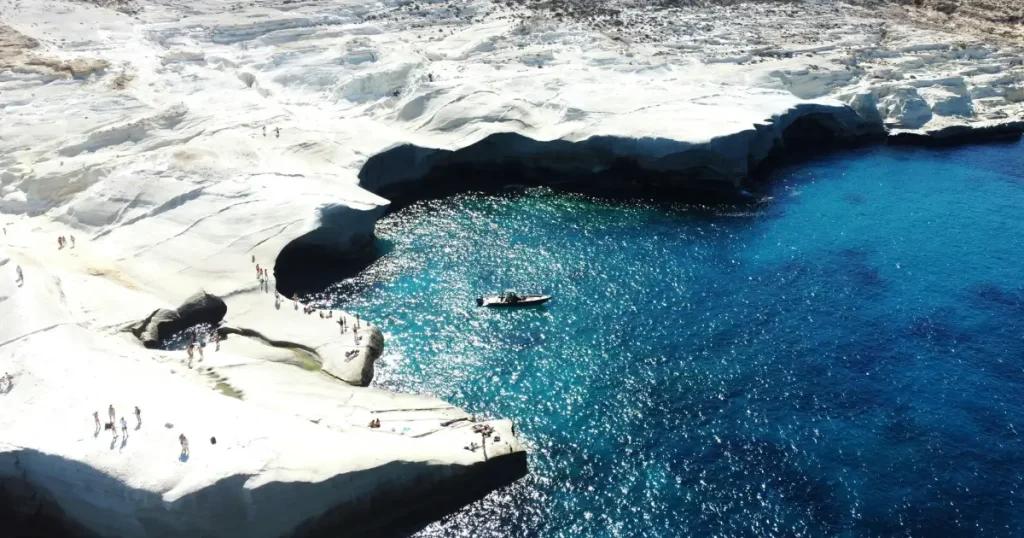
- Take a boat trip to Kleftiko. This is the number one experience on the island. Cruise past towering white cliffs, swim in glowing blue lagoons, and explore caves you can only reach by sea.
- Watch the sunset from the Venetian castle. Climb to the top of Plaka for panoramic views as the sky melts into pink and gold, then head down for dinner in the village.
- Visit Sarakiniko at sunrise. See the famous moonscape at its most peaceful, before the crowds arrive.
- Cook food in the sand at Paliochori. Order lunch to your lounge chair at a beach where geothermal heat literally warms the sand!
- Explore the fishing villages. Wander the colorful syrmata of Klima, Mandrakia, and Firopotamos for pure Cycladic charm.
- Tour the Catacombs of Milos. These early Christian catacombs near Trypiti date back to the 1st–5th centuries and are among the most significant in Greece.
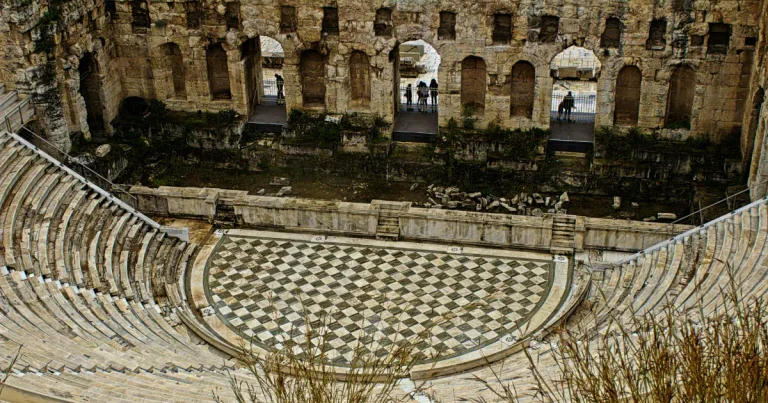
- See the Ancient Theater. This restored Roman-era theater near Trypiti offers beautiful sea views and a real sense of history.
- Get lost on an ATV. Spend an afternoon exploring the coastline with no plan at all — you might stumble on your own private cove!
- Take a day trip to Kimolos. Hop on the short ferry from Pollonia to this quieter, more low-key neighbor island.
Milos Geology: The Island Like No Other
What makes the Milos beaches so unlike anywhere else? It all comes down to geology. Milos is a volcanic island, and that fiery origin gave it a landscape you simply won’t find on other Cycladic islands.
You’ll see it everywhere across milos city: the bleached-white rock of Sarakiniko, the red-and-orange cliffs of Firiplaka and Paliochori, hidden sea caves carved into pale limestone, and colorful mineral deposits throughout the terrain. The island has long been rich in minerals, and that volcanic heritage shapes both the scenery and unique experiences like Paliochori’s naturally heated sand. It’s a place where the landscape itself is the attraction!
Plaka Milos: The Traditional Capital
If there’s one village that captures the soul of milos city, it’s Plaka. As the traditional capital, Plaka Milos is a whitewashed dream perched high in the hills, and exploring it feels like stepping into a postcard!
Here’s what makes Plaka Milos so special:
- Winding streets: A tangle of narrow, car-free lanes lined with blue-shuttered white houses, bougainvillea, and tucked-away boutiques.
- The Venetian castle: Dating back to the 13th century, this hilltop fortress is one of the highest points on the island and delivers the most spectacular sunset views. Arrive at least 20 minutes early to grab a good spot!
- Church of Panagia Korfiatissa: A beautiful church with sweeping sea views, perfect for a peaceful moment.
- Cafés and tavernas: Cozy spots spill out onto the side streets, ideal for a leisurely Greek dinner or a sweet afternoon treat.
Who should stay in Plaka Milos? Couples and travelers who love traditional atmosphere, evening strolls, and unforgettable sunsets. If you prefer beach access and easy transport, Adamas or Pollonia may suit you better.
Adamas vs Plaka vs Pollonia: Which Base Is Right for You?
Choosing your base is the biggest decision in planning your milos city trip. Here’s a simple, honest comparison:
Adamas
- Best for: First-time visitors, port convenience, boat tours, restaurants, and travelers without a car.
- Trade-off: It’s the busiest and most touristy town, and not the most scenic.
Plaka
- Best for: Traditional atmosphere, sunsets, culture, and romantic stays.
- Trade-off: No walkable beach, so you’ll need wheels.
Pollonia
- Best for: Families, couples, waterfront dining, and beach access.
- Trade-off: Smaller than Plaka, with a bit less to explore on foot.
There’s really no wrong choice here — it all comes down to your travel style!
Klima & the Fishing Villages
The fishing villages are among the most enchanting corners of milos city. These traditional settlements are defined by their syrmata — the ground-level boat houses with brightly painted garage-style doors, built right against the sea so fishermen could store their boats over winter.
- Klima: The most iconic of them all, with a rainbow of syrmata lining the waterfront. Come at sunset for magical light and a peaceful atmosphere.
- Mandrakia: A tiny, postcard-perfect harbor with a beloved seaside taverna.
- Firopotamos: A protected cove with white-washed syrmata and lovely swimming.
Unlike the resort towns, these villages feel authentic and lived-in — a window into Milos’ fishing heritage that’s totally different from anywhere else on the island.
History & Culture on Milos
Beyond the beaches, milos city has a rich cultural story to tell! Here’s what history lovers shouldn’t miss:
- The Catacombs of Milos: Early Christian burial catacombs near Klima and Trypiti, dating from the 1st to 5th centuries.
- The Ancient Theater of Milos: A restored marble theater with gorgeous views over the sea near Trypiti.
- The Archaeological Museum: Located in Plaka, showcasing artifacts from the island’s long history.
- Historic churches and traditional villages: From Plaka’s Panagia Korfiatissa to the whitewashed lanes throughout milos city.
The Venus de Milo Connection
Milos’ most famous cultural claim to fame is the Venus de Milo — one of the most celebrated sculptures in the world! This ancient statue of Aphrodite was discovered on Milos in 1820 and is now displayed at the Louvre in Paris. While the original lives in France, its discovery is a proud part of the island’s identity, and you can learn more about the connection during your visit to milos city.
Food in Milos: What to Eat & Where
The food is one of the best parts of visiting milos city! Fresh seafood, local specialties, and warm family-run tavernas are everywhere. Look out for these local flavors:
- Fresh fish and grilled octopus: Caught locally and best enjoyed right on the water.
- Pitarakia: Small fried cheese pies, a beloved Milos specialty.
- Ladenia: A delicious flatbread topped with tomato and onion, often called “Greek pizza.”
- Local cheeses: Milos produces its own wonderful varieties.
- Homemade desserts: Don’t miss the orange olive-oil cake at Café Palaios in Plaka — it melts in your mouth!
Where you eat sets the mood across milos city:
- Pollonia has some of the best waterfront seafood tavernas.
- Plaka offers atmospheric dinners in the whitewashed lanes.
- Adamas delivers convenient, all-around variety.
- Fishing villages like Klima and Mandrakia serve up rustic seaside meals.
Where to Stay in Milos
Milos has fewer hotels than islands like Santorini or Mykonos, so booking months in advance is essential — especially for peak summer! Here’s an area-by-area guide to where to stay across milos city.
Adamas
- Best for: Convenience, port access, transport connections, and first-time visitors.
Plaka
- Best for: Romantic atmosphere, traditional village charm, sunsets, and culture.
Pollonia
- Best for: Families, couples, beach stays, and waterfront dining. A top pick for many visitors!
Other coastal areas
- Best for: Travelers who want to be near specific beaches or removed from the crowds. Just remember you’ll want a car for these more remote stays.
Your ideal base depends on your budget, travel style, transportation plans, and whether you prioritize beach access, dining, or a quiet retreat. Many travelers love splitting their time between two areas to experience different sides of the island!
How to Get to Milos
Getting to milos city is straightforward, with two main options:
- By ferry: From Piraeus, Athens’ main port. Ferries are the most popular choice since so many visitors combine Milos with island hopping.
- By air: A short flight (around 40 minutes) from Athens into Milos Airport (MLO).
A few tips: ferry frequency drops sharply outside peak season, so if you’re visiting in spring or autumn, check routes early and consider a backup flight. Always verify current ferry and flight schedules before booking, as they change seasonally!
How to Get Around Milos
A rental vehicle is essential for exploring milos city properly! Here are your options:
- Rental car: The most comfortable choice, ideal for families and cooler or windier days.
- ATV or scooter: Popular, fun, and great for chasing hidden beaches (drive safely and confirm licensing requirements).
- Local bus: Budget-friendly, but limited in reach and frequency. Adamas is the main hub.
- Taxi: Available but limited, and best arranged in advance rather than relied on.
- Boat: Essential for reaching Kleftiko and the wild western coast.
Good to know: Book your car, ATV, or scooter before you arrive, and check what driving permits you’ll need in advance. Renting gives you the freedom to reach the more secluded beaches on your own schedule!
Best Time to Visit Milos
The best time to visit milos city runs from May through October. Here’s a season-by-season snapshot:
- Spring (May–early June): Mild weather, blooming landscapes, fewer crowds, and lower prices. Lovely for exploring and hiking, though the sea is still cool.
- Early Summer (June): Warm, sunny, and reliably swimmable, with crowds still manageable.
- July–August: Peak season! Hot, busy, and buzzing, with full ferry schedules. Book everything well in advance and expect the Meltemi winds on some days.
- September: A favorite for many travelers — warm sea, gorgeous weather, and thinning crowds.
- Autumn (October): Quiet and relaxed, but ferry service thins out, so plan carefully.
How Many Days Do You Need in Milos?
Wondering how long to spend exploring milos city? Here’s a realistic guide:
- 2 days: Enough for the highlights — Sarakiniko and a Kleftiko boat trip.
- 3 days: Add Plaka’s sunset, a couple more beaches, and a great dinner.
- 4 days: A comfortable pace to mix beaches, villages, and culture.
- 5 days: The sweet spot! Explore widely without rushing.
- 7 days: Perfect for a slow, immersive stay, or for splitting your time between two bases.
If you’re island hopping, 4–5 nights is plenty to see the best of milos city before moving on!
Sample Milos Itineraries
Here are simple, realistic itineraries to help you plan your milos city adventure!
2-Day Milos Itinerary
- Day 1: Sarakiniko at sunrise, a southern beach (Firiplaka or Paliochori), sunset in Plaka.
- Day 2: Kleftiko boat trip, dinner in Pollonia.
3-Day Milos Itinerary
- Day 1: Sarakiniko, Papafragas viewpoint, dinner in Pollonia.
- Day 2: Kleftiko boat trip.
- Day 3: Explore Plaka, Trypiti, the Catacombs, and sunset at the castle.
4-Day Milos Itinerary
- Follow the 3-day plan, then add a south-coast beach day (Tsigrado or Firiplaka) and a fishing-village afternoon in Klima and Mandrakia.
5-Day Milos Itinerary
- Add relaxed beach-hopping (Firopotamos, Provatas), an ATV exploration afternoon, and time for lingering meals.
7-Day Milos Itinerary
- Spread everything out, split your stay between two bases, and add a day trip to Kimolos for a slower, deeper experience of the region.
Milos for Every Type of Traveler
Whoever you are, milos city has something wonderful for you!
- Couples: Base in Plaka, catch castle sunsets, take a private Kleftiko boat trip, and enjoy waterfront dinners in Pollonia.
- Families: Choose Pollonia for its calm town beach, stick to easy-access beaches like Firiplaka, and rent a car for comfort.
- Solo travelers: Explore the villages, join a group boat tour, and wander at your own pace.
- Beach lovers: Hit Sarakiniko, Firiplaka, Tsigrado, and Paliochori for maximum variety.